

Top 5 Signs Your Upholstery Needs Professional Cleaning
Professional upholstery cleaning removes deeply embedded dirt, biological contaminants, and stubborn stains that shorten a sofa’s life and hurt indoor air quality. This guide helps New Yorkers decide when to hire a pro, explains what technicians do during a visit, and offers simple criteria for choosing between DIY fixes and expert service. In high-traffic, pet-friendly city apartments, allergens, pet accidents, and smoke can build up fast — calling a professional at the right time saves money, prevents premature replacement, and brings back comfort. We lay out clear decision points (health-related signals and visible damage), walk through a typical cleaning process, recommend service frequency by household type, and list the concrete benefits city residents can expect. Practical checklists, comparison tables, and step-by-step tips make decisions fast and evidence-based, with concise links to Today’s Steam Cleaning NYC where it helps with booking or transparency.
Why professional upholstery cleaning matters in NYC
In New York’s dense living spaces, furniture traps more allergens, dust mites, and bacteria than in suburban homes. Household vacuums can’t reach the padding and seams where soiling collects — high-efficiency extraction and heat-based cleaning do. Regular professional care removes abrasive grime that frays fibers and dulls dyes, restoring appearance and delaying replacement — a meaningful saving when furnishings are costly. Knowing how pros protect health and fabric longevity helps you spot problems DIY methods won’t solve and makes it easier to choose expert care over short-term fixes.
Professional work addresses both visible dirt and the hidden biological and mechanical damage that shortens fabric life.
How professional cleaning removes allergens, dust mites, and bacteria
Pros use a mix of controlled heat, targeted agitation, and strong extraction to dislodge and remove microscopic particles from deep inside upholstery layers. Hot-water extraction or steam breaks down protein-based allergens, while powerful suction evacuates soils instead of pushing them around. Low-residue, eco-friendly detergents emulsify oils and organic matter so extraction captures both particles and dissolved contaminants. The combination of heat, chemistry, mechanical action, and extraction lowers airborne and surface allergen loads, improving indoor air quality for sensitive occupants.
That same mechanism also helps stop abrasive soils from wearing fibers, which extends fabric life.
How expert cleaning extends the life of your upholstery
Removing grit and organic soils prevents mechanical abrasion that weakens weave and fibers over time. Professional cleaning can also revive faded color and restore flexibility to the fabric. When appropriate, technicians apply fabric-safe protectants that reduce re-soiling and help cushions meet manufacturer care expectations. Regular, timely cleaning keeps upholstery looking and performing better for longer, delaying replacement and protecting your investment.
Below is a quick comparison of benefits, how they’re achieved, and what they mean in everyday terms.
Different cleaning approaches produce specific results for common problems.
| Benefit | Mechanism | Practical Impact |
|---|---|---|
| Allergen reduction | Heat + extraction removes dust mites and pollen | Fewer triggers for allergy sufferers; better sleep and easier breathing |
| Odor neutralization | Enzymatic and oxidation treatments for organic sources | Pet or smoke smells are reduced or eliminated |
| Fabric preservation | Removing abrasive soils and using low-residue cleaners | Slower fiber wear and longer furniture life |
Signs your upholstery needs professional cleaning
Knowing the key signs that furniture needs professional attention helps NYC residents act before problems become permanent. Visible stains, persistent odors, worsening allergy symptoms, heavy traffic wear, and long gaps since the last professional clean are reliable triggers. The checklist below turns those signals into quick action items so you can decide whether a DIY spot-clean will do or if a pro visit is the right move.
When several signs show up together, calling a professional is usually the safest option. Use the checklist to prioritize next steps.
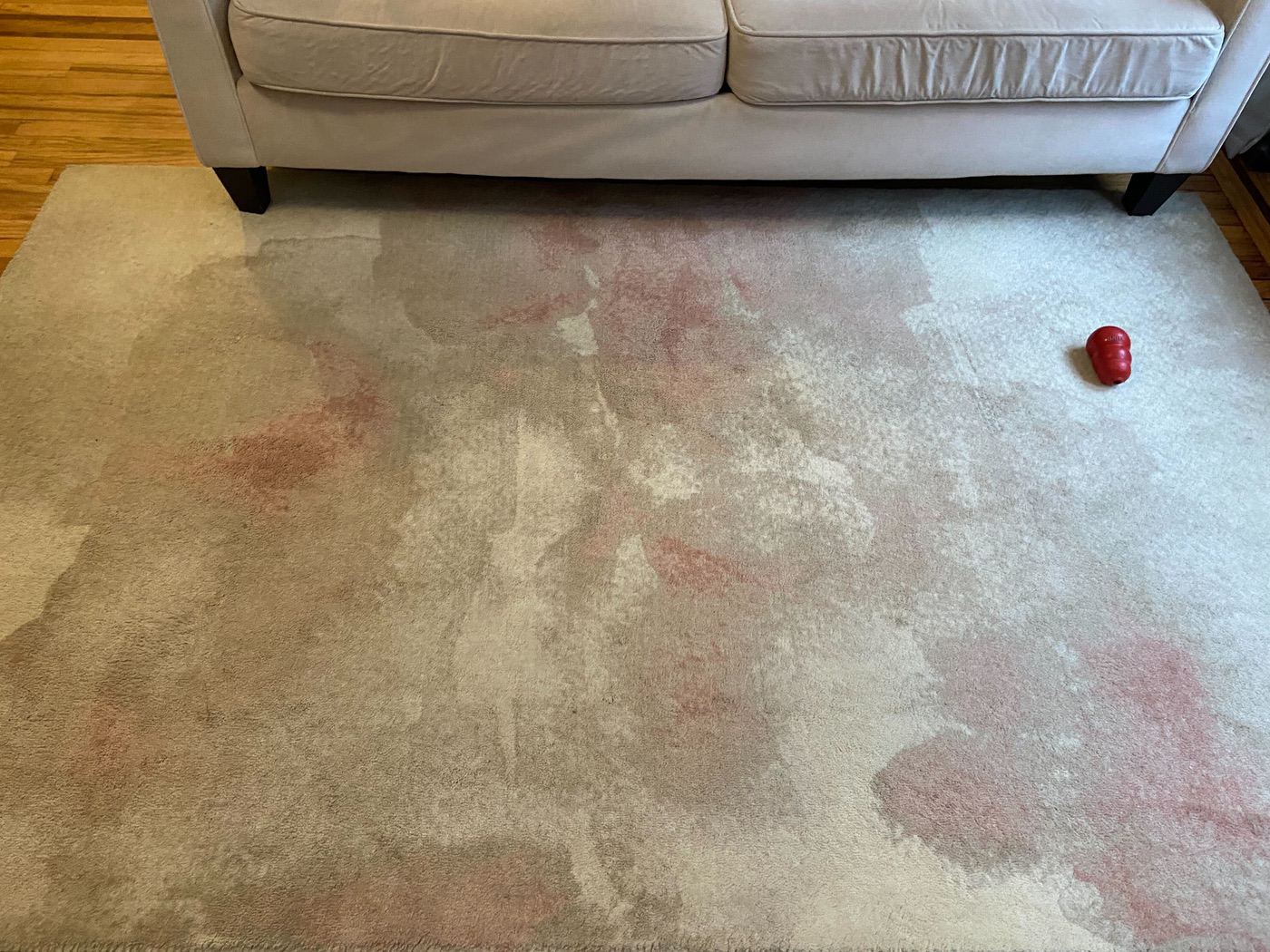
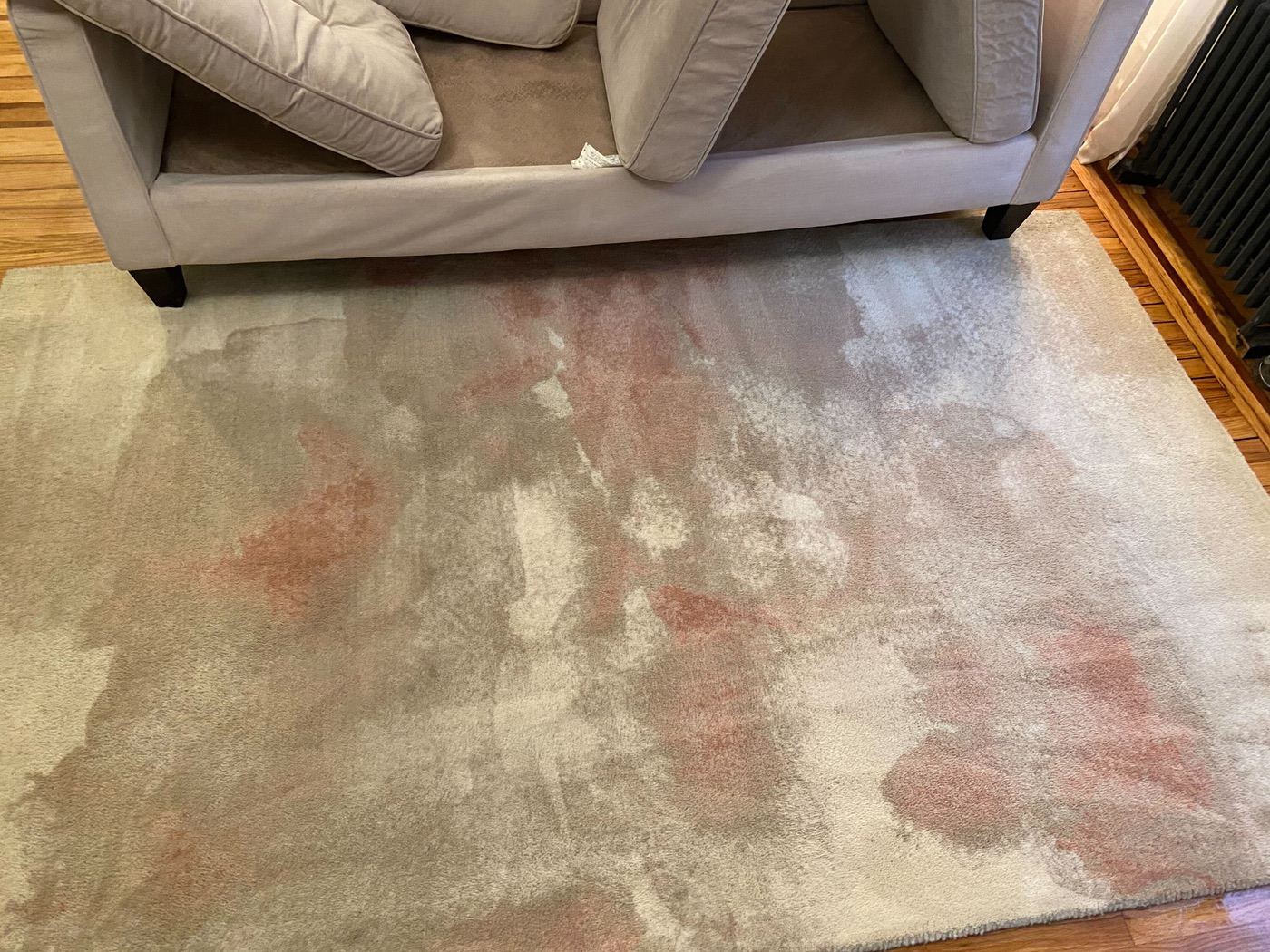
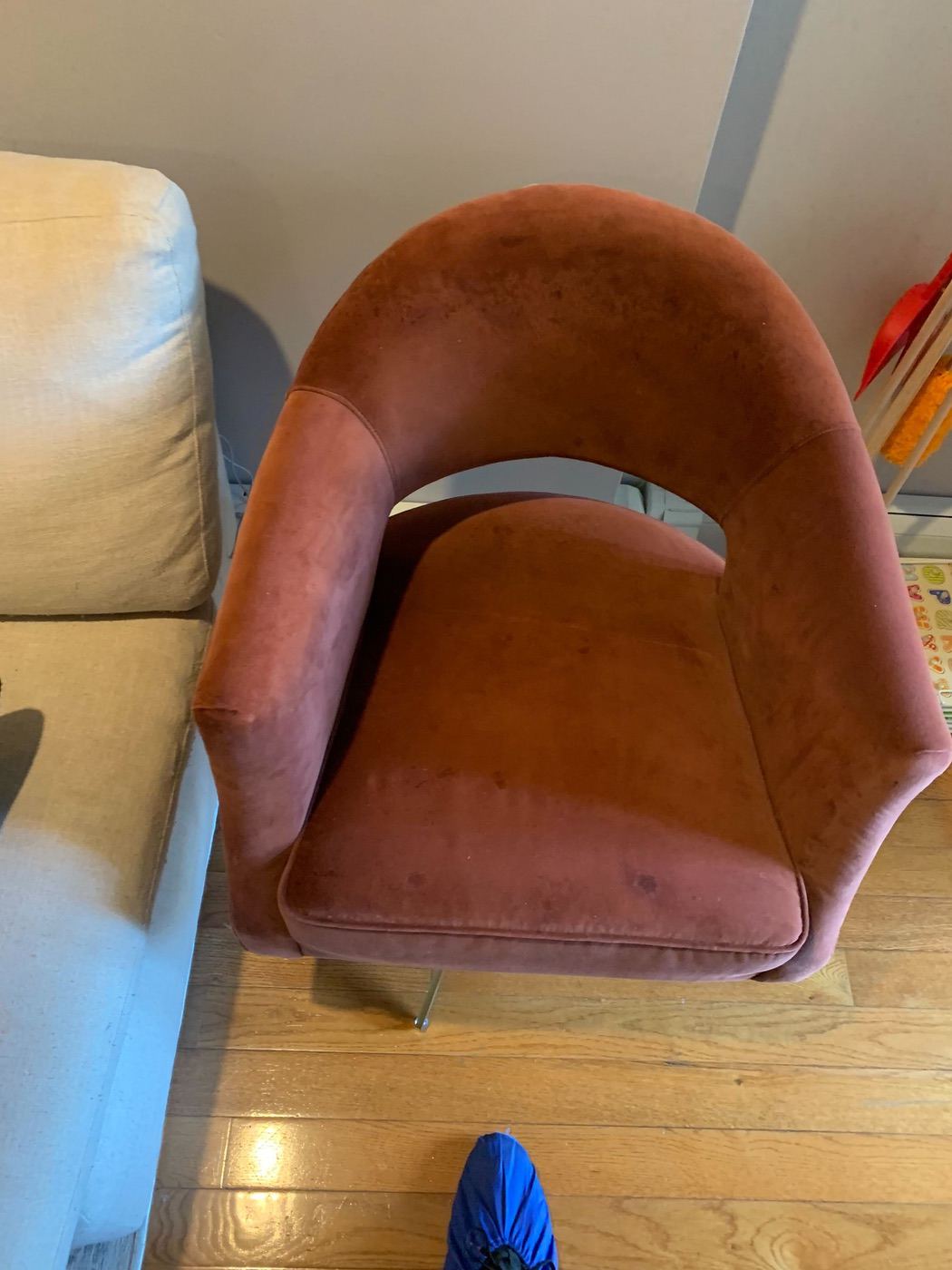
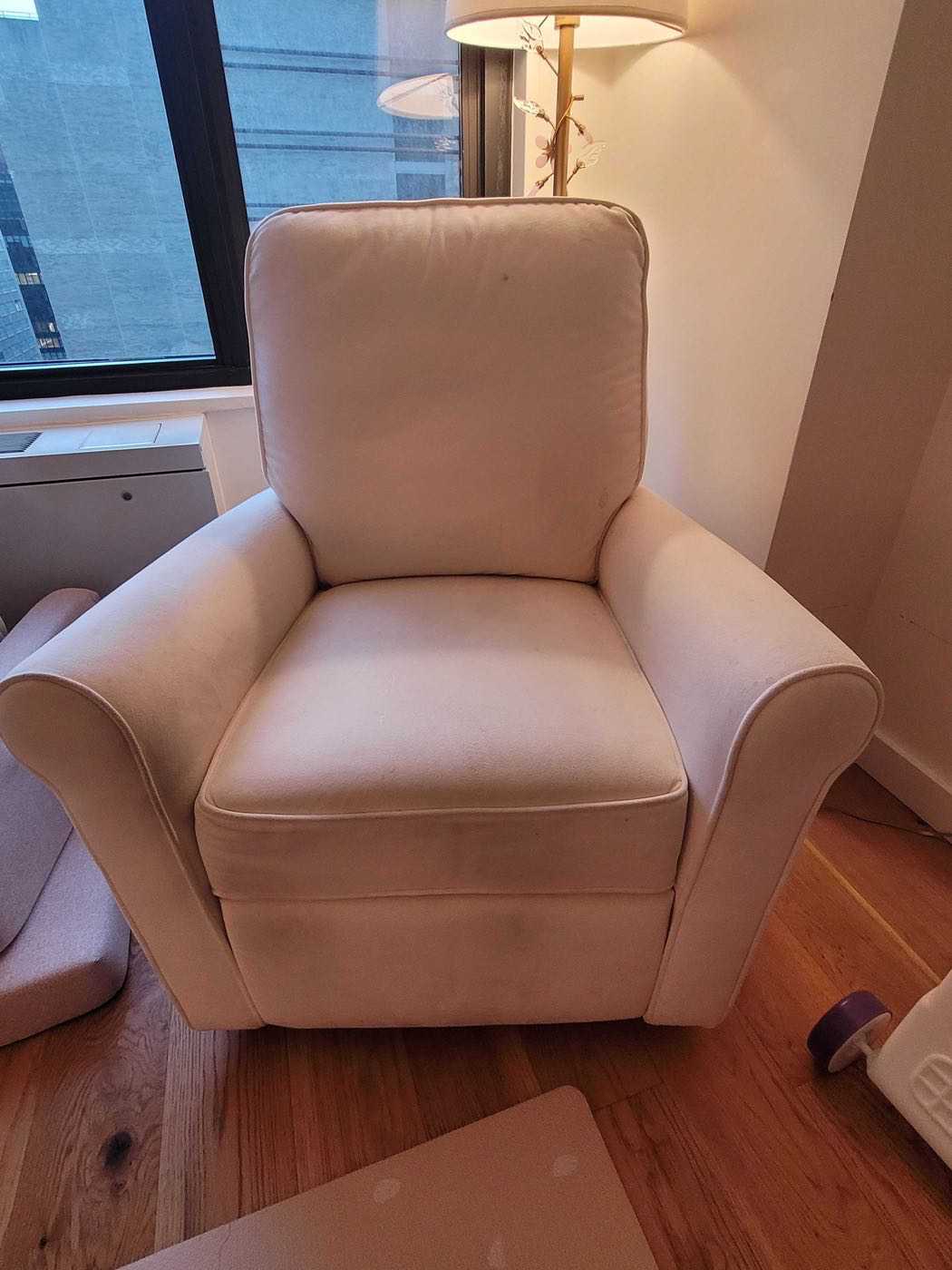
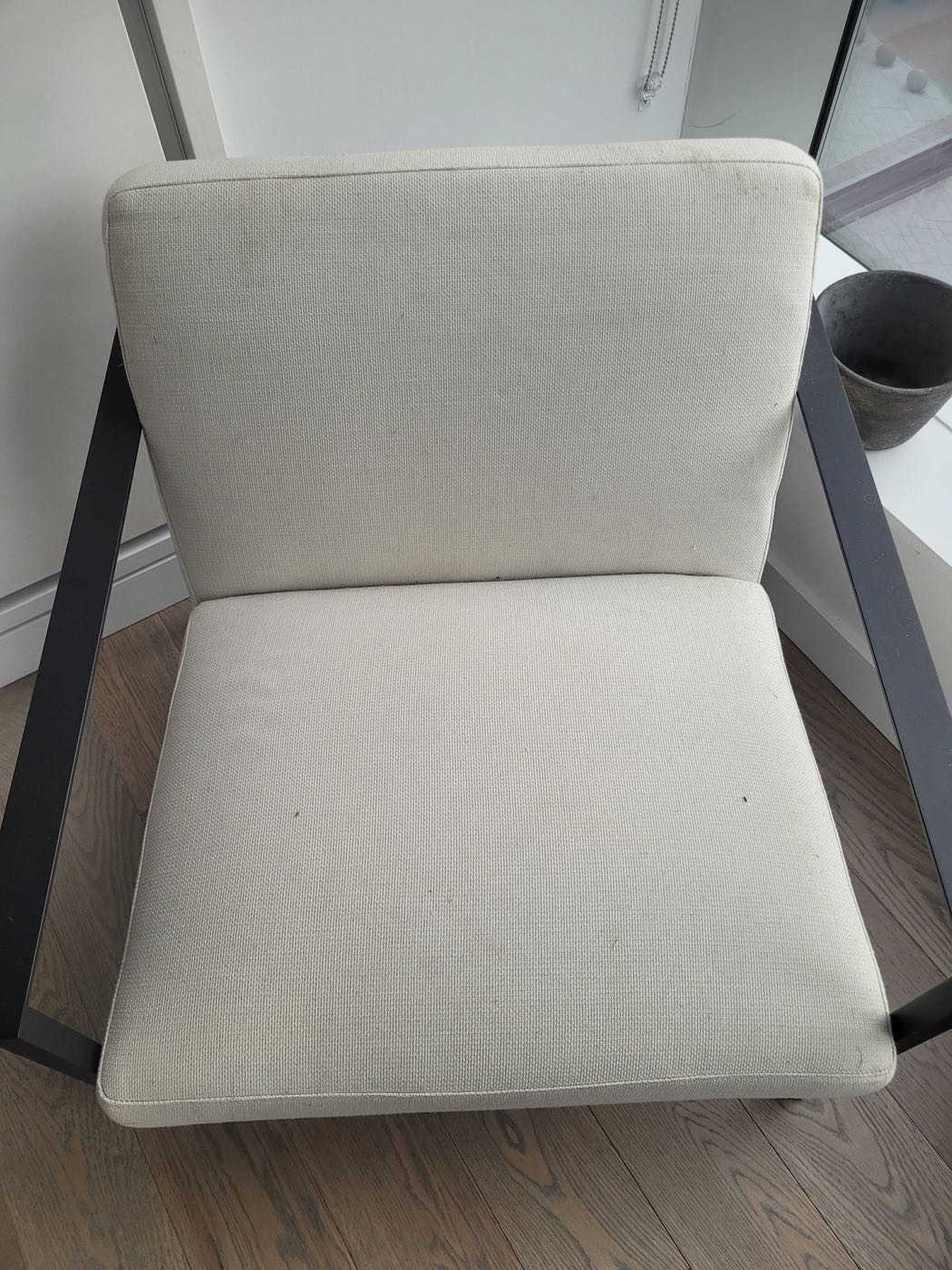
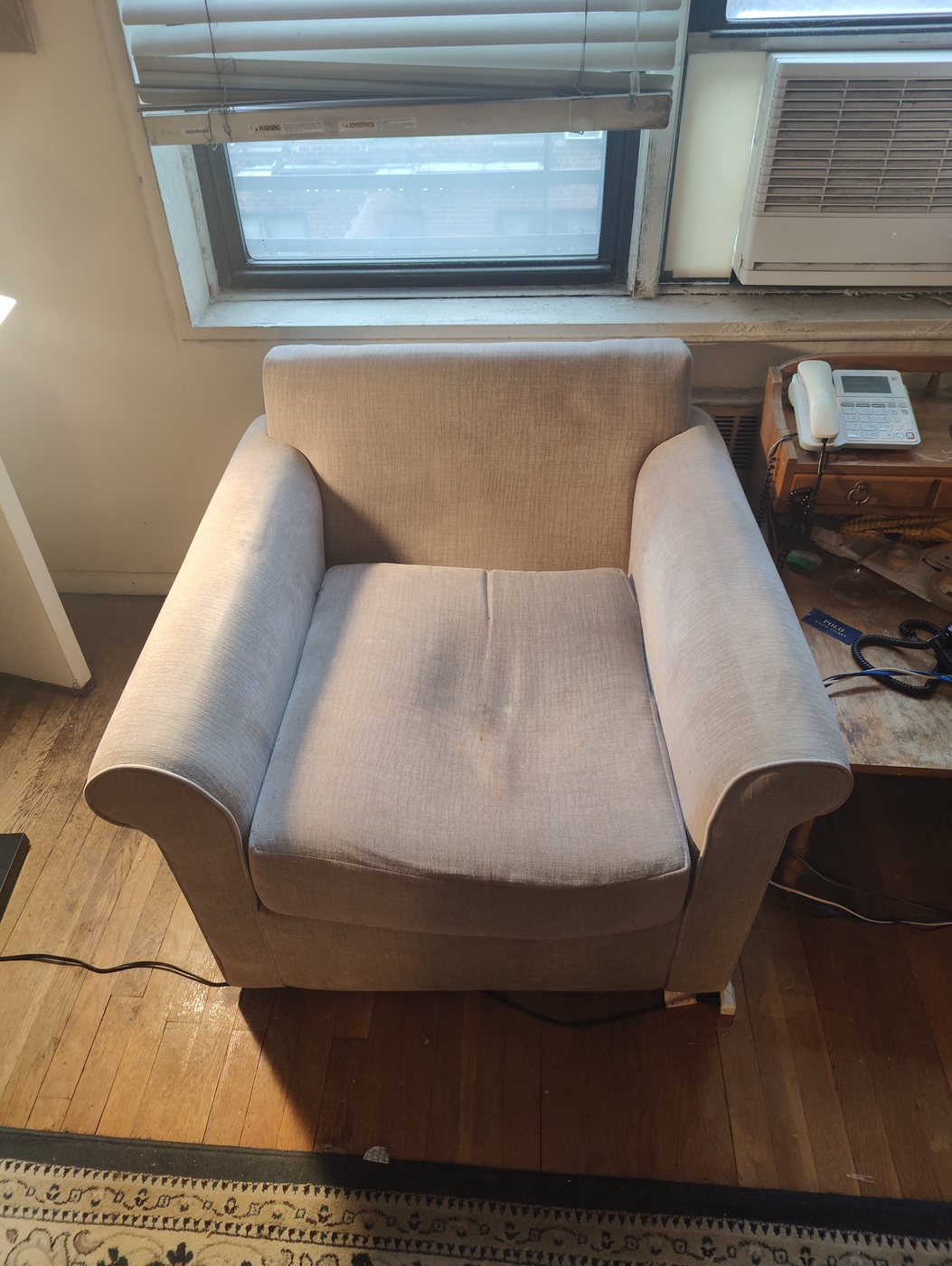
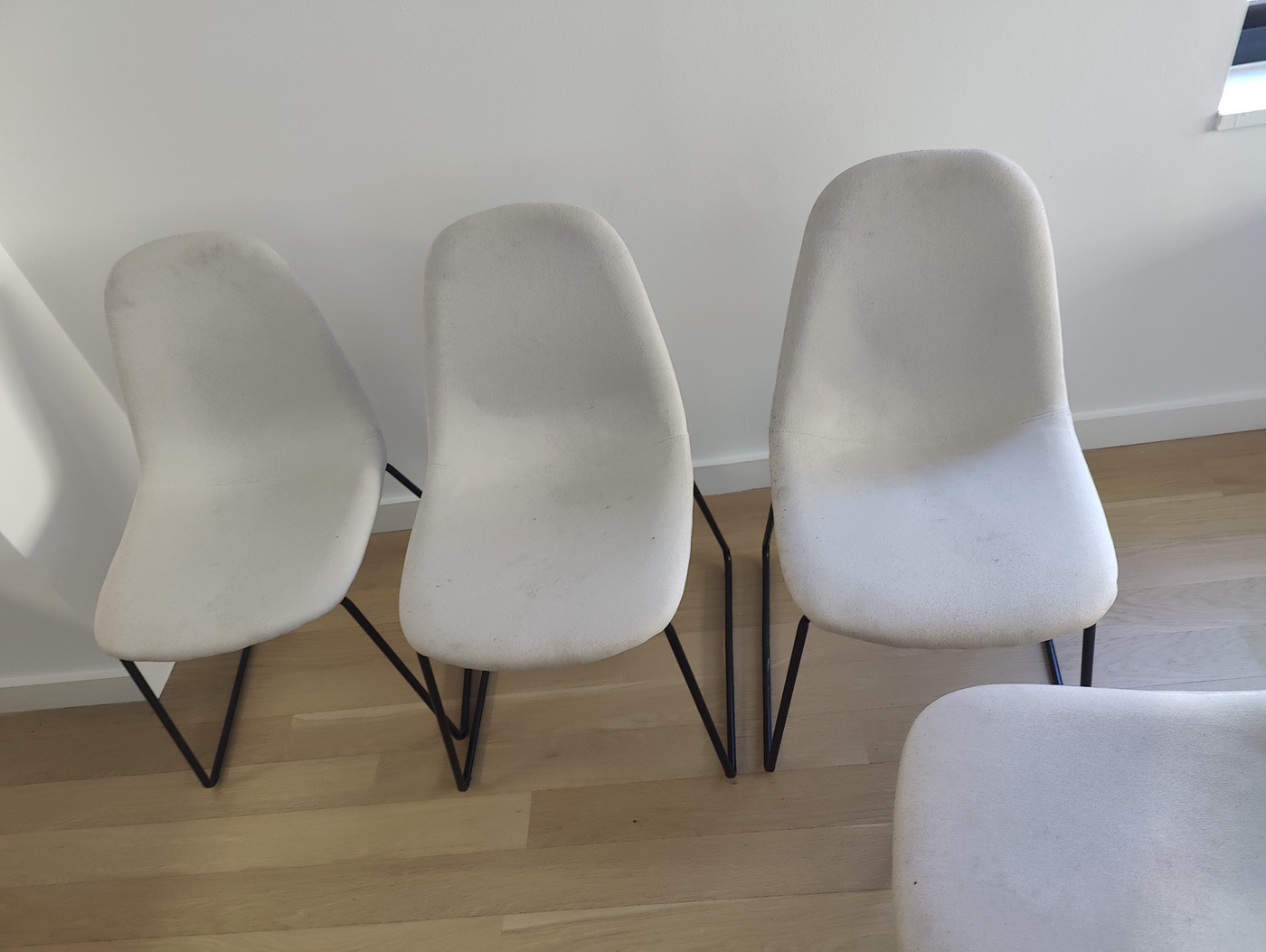
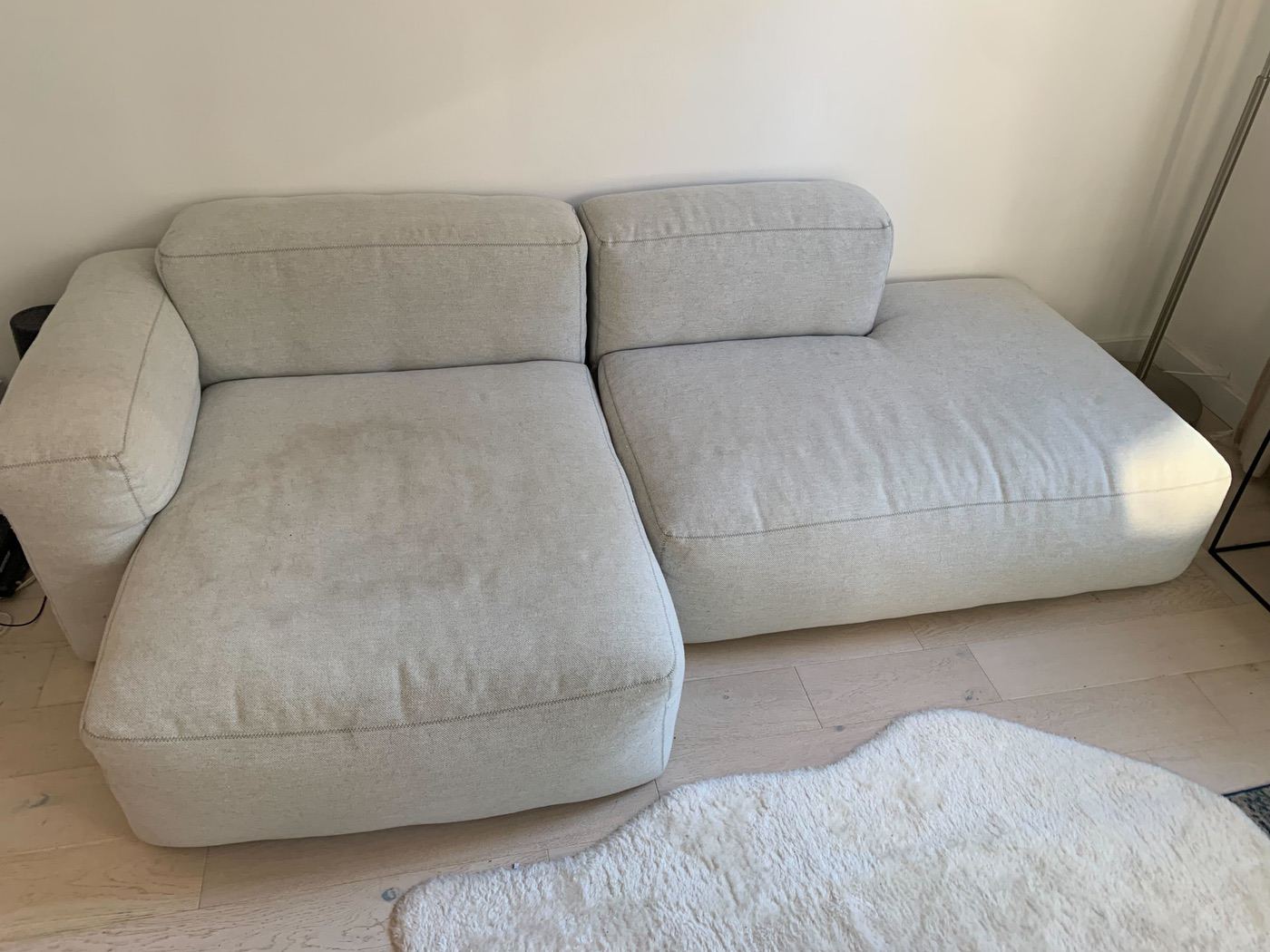
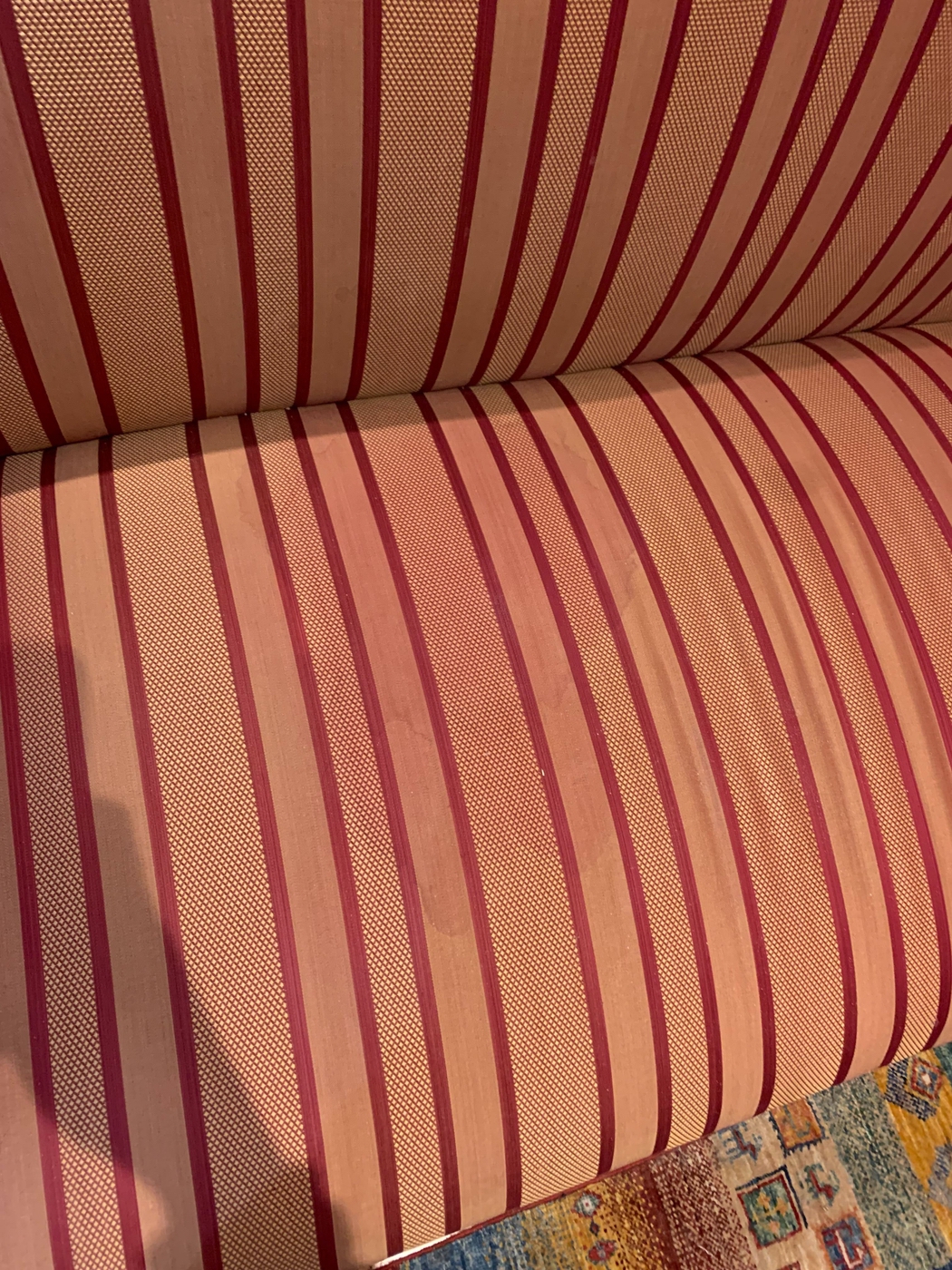
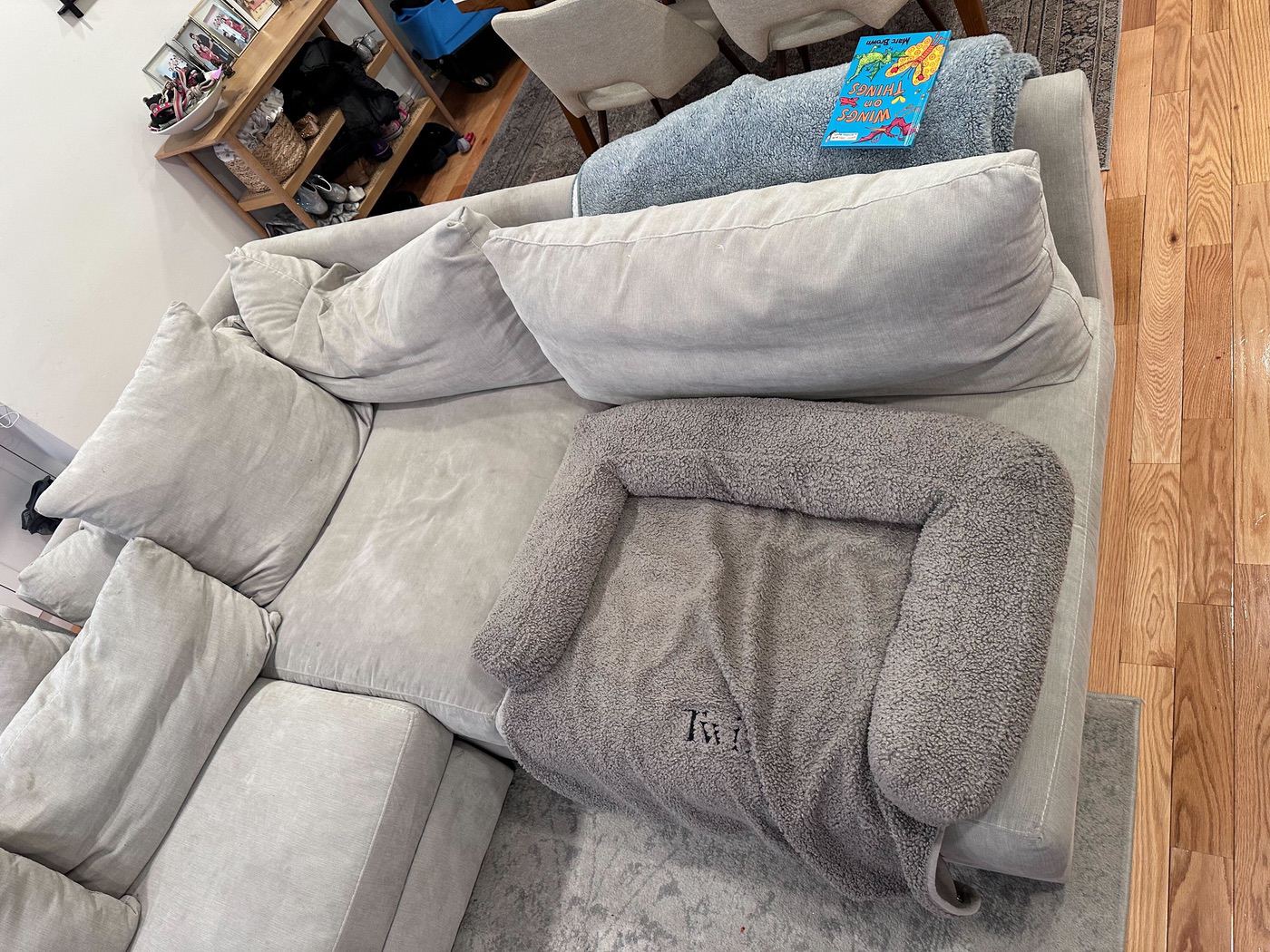
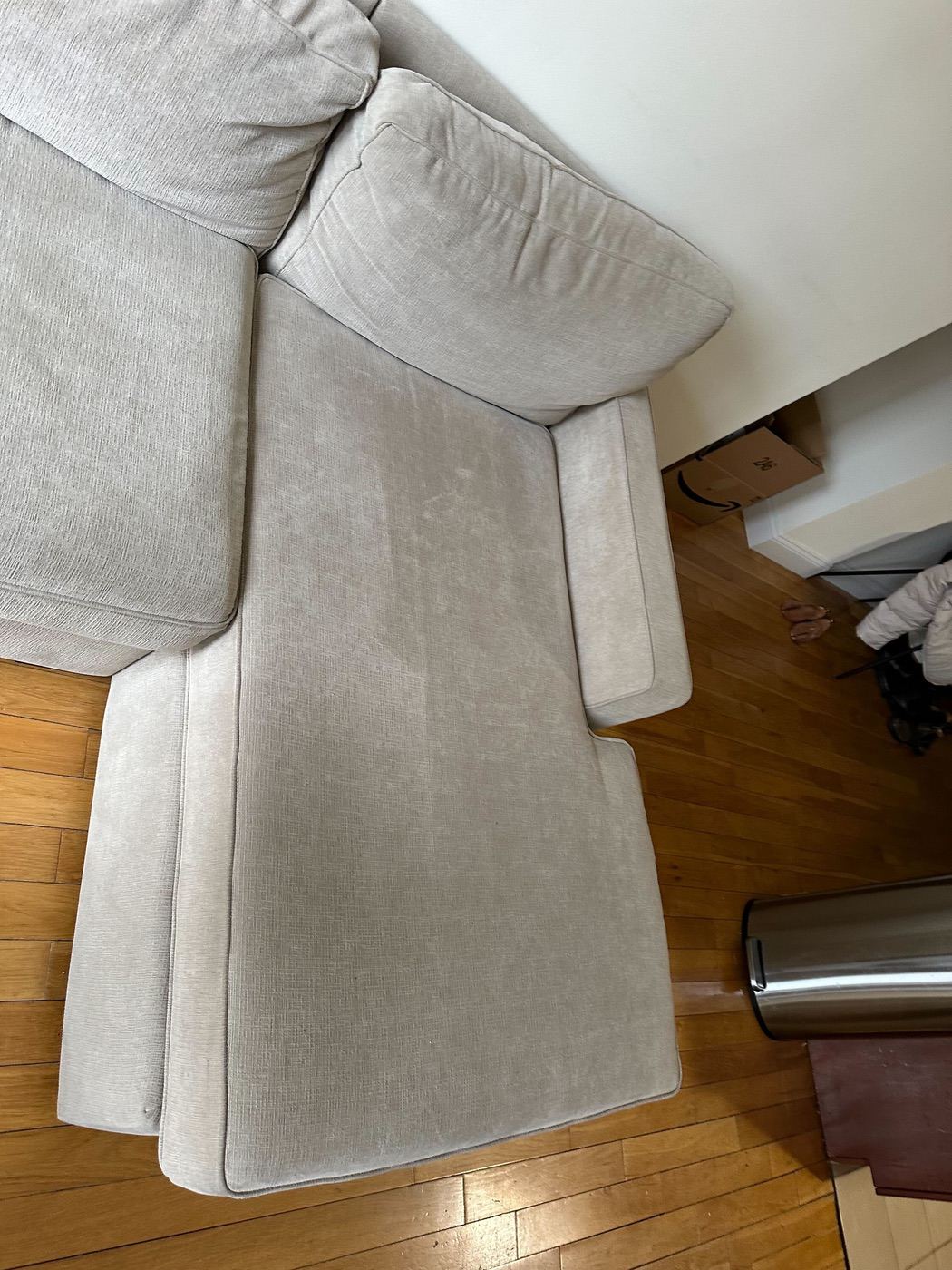
- Visible stains: Large, set-in, or spreading stains from food, drink, or oil that household methods can’t remove.
- Lingering odors: Persistent urine, mildew, or smoke smells after airing or surface cleaning.
- Allergy flare-ups: New or worse respiratory or allergy symptoms when near the furniture.
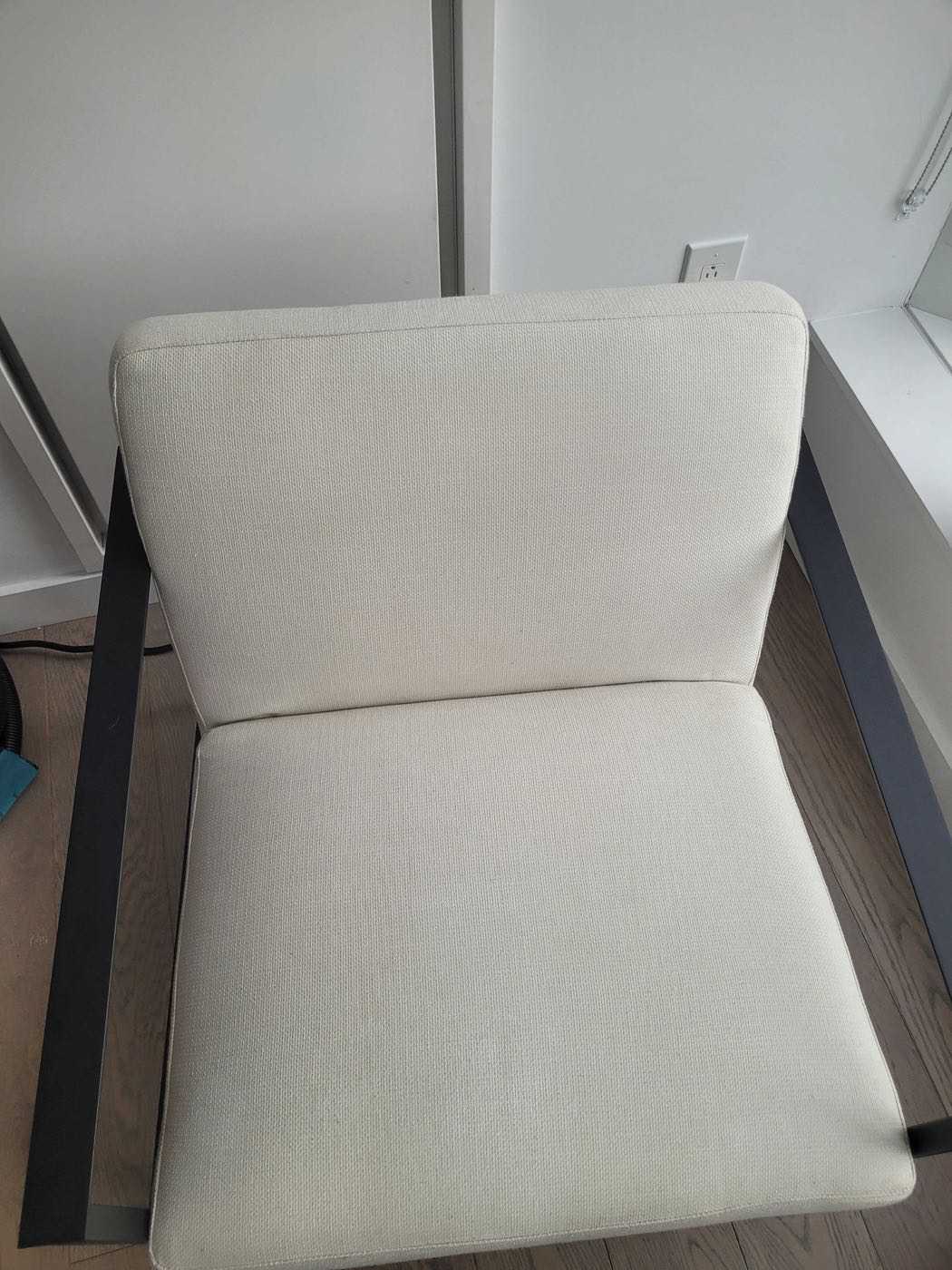
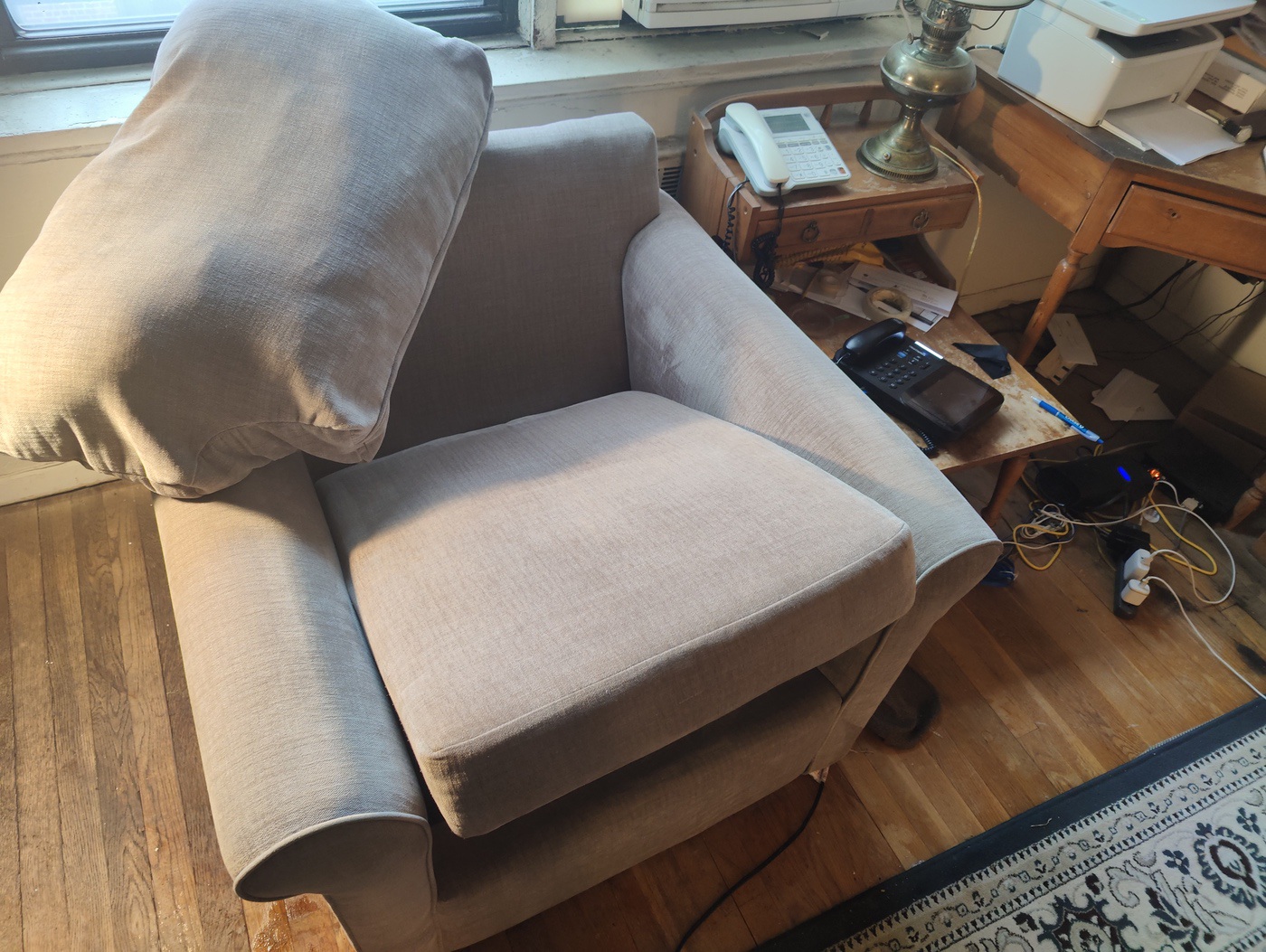
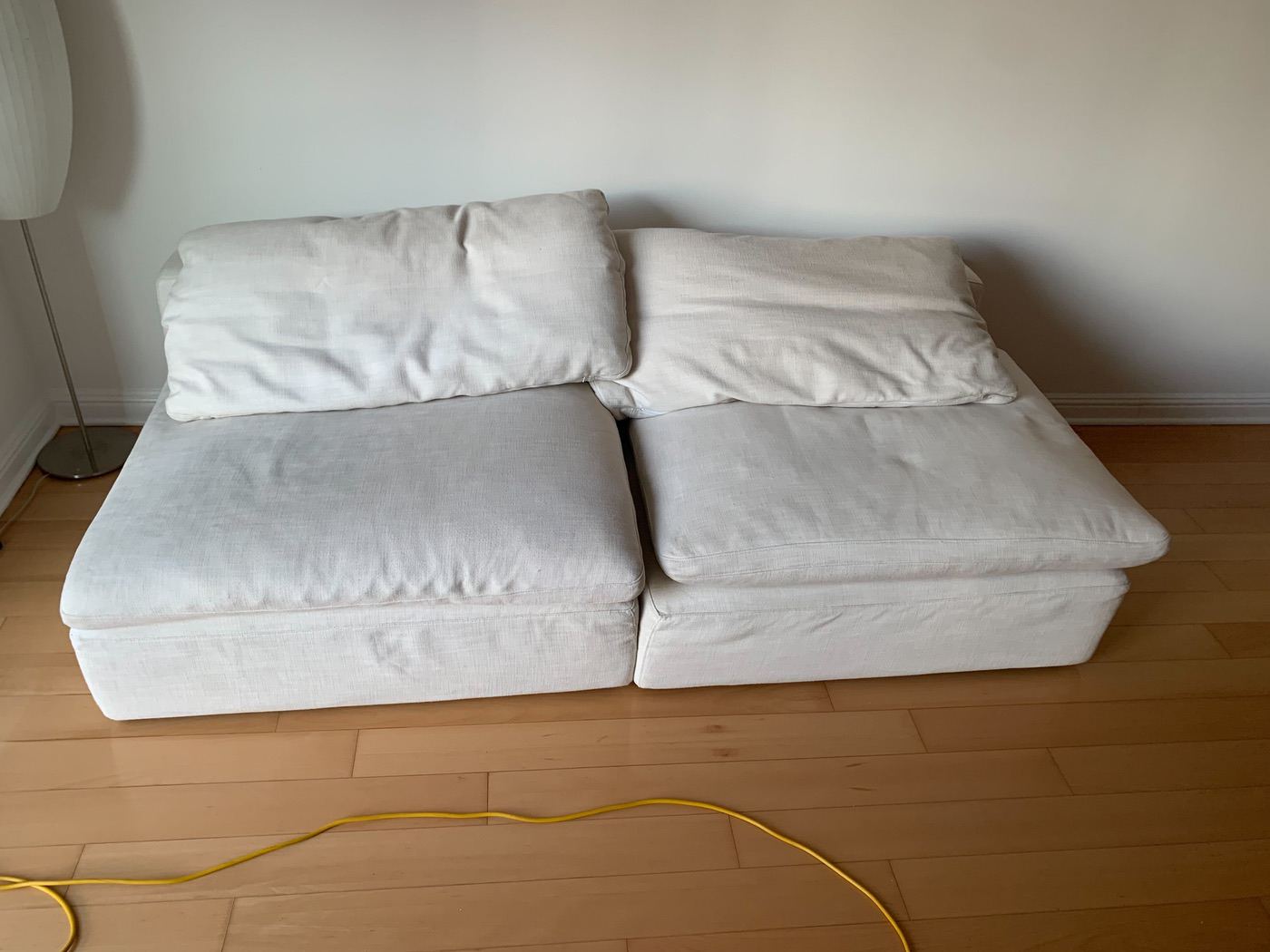
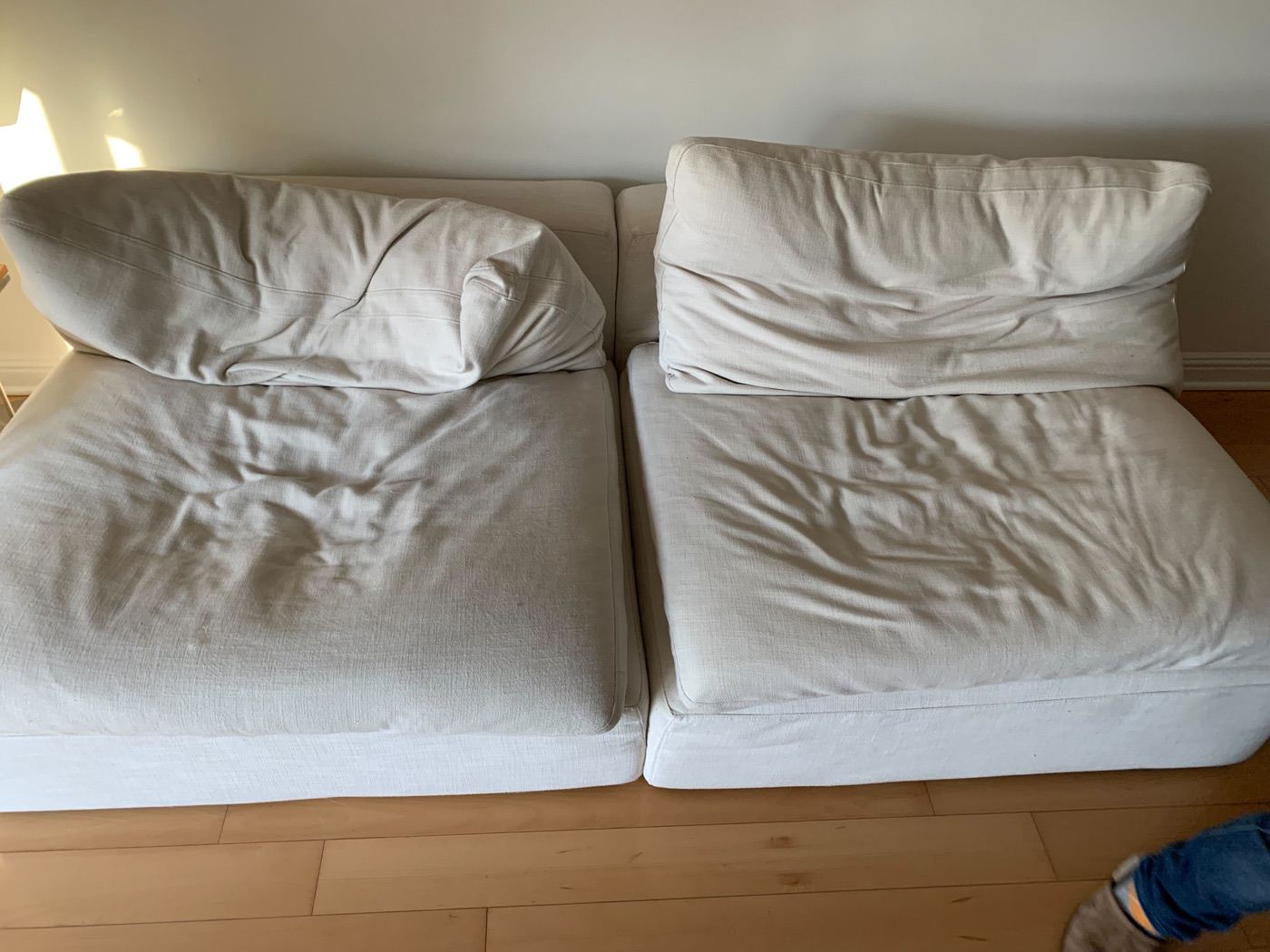
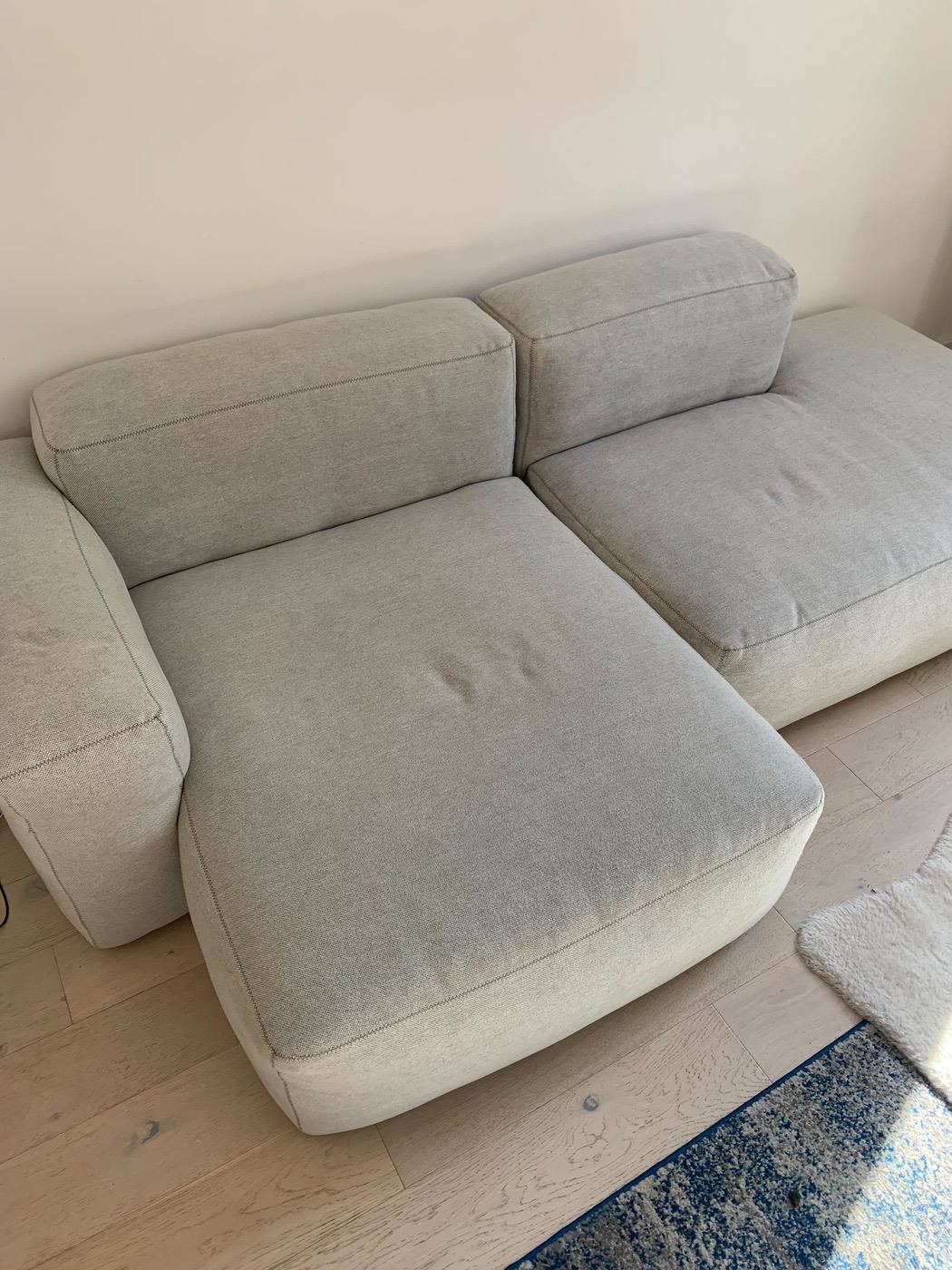
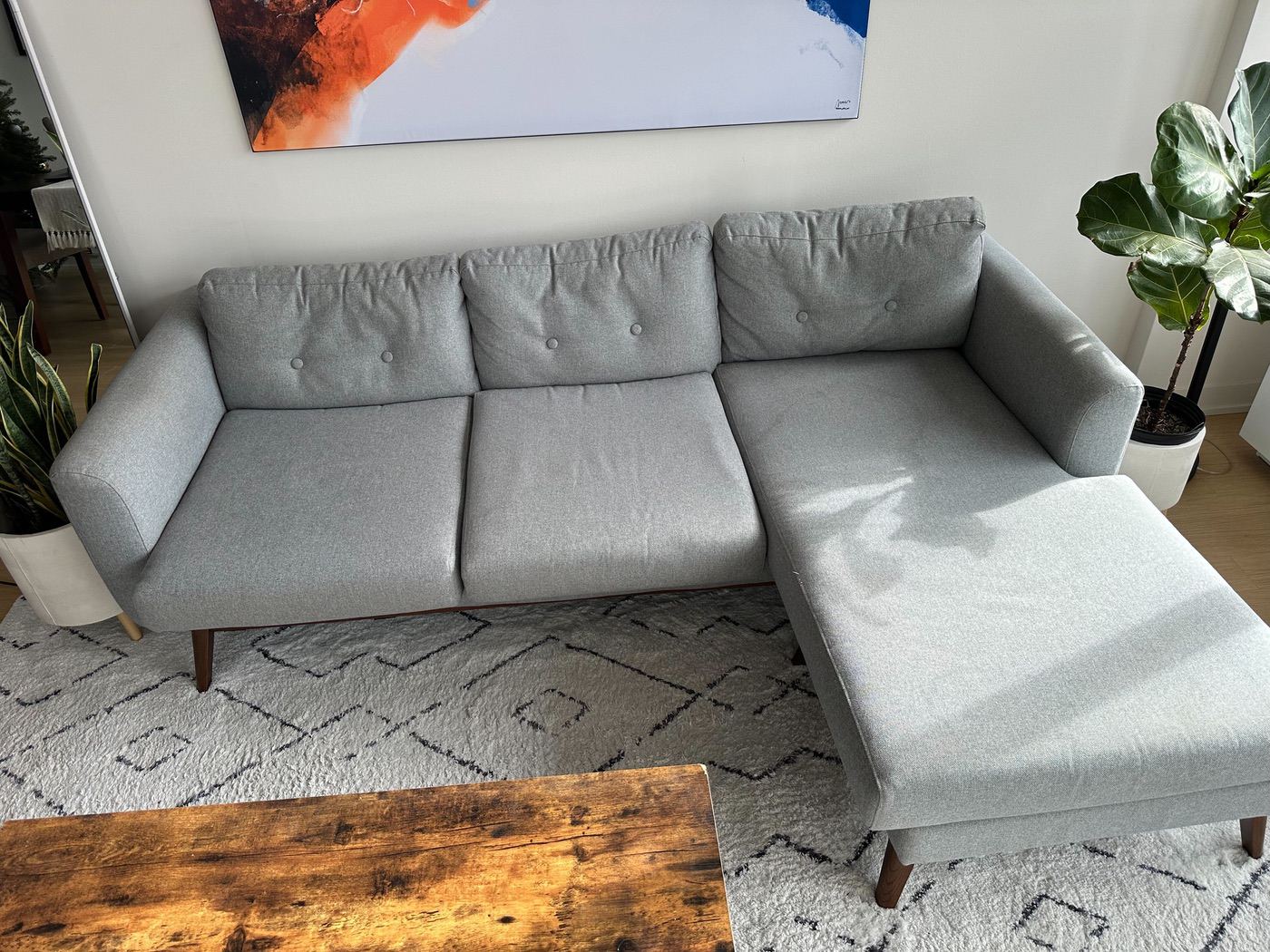
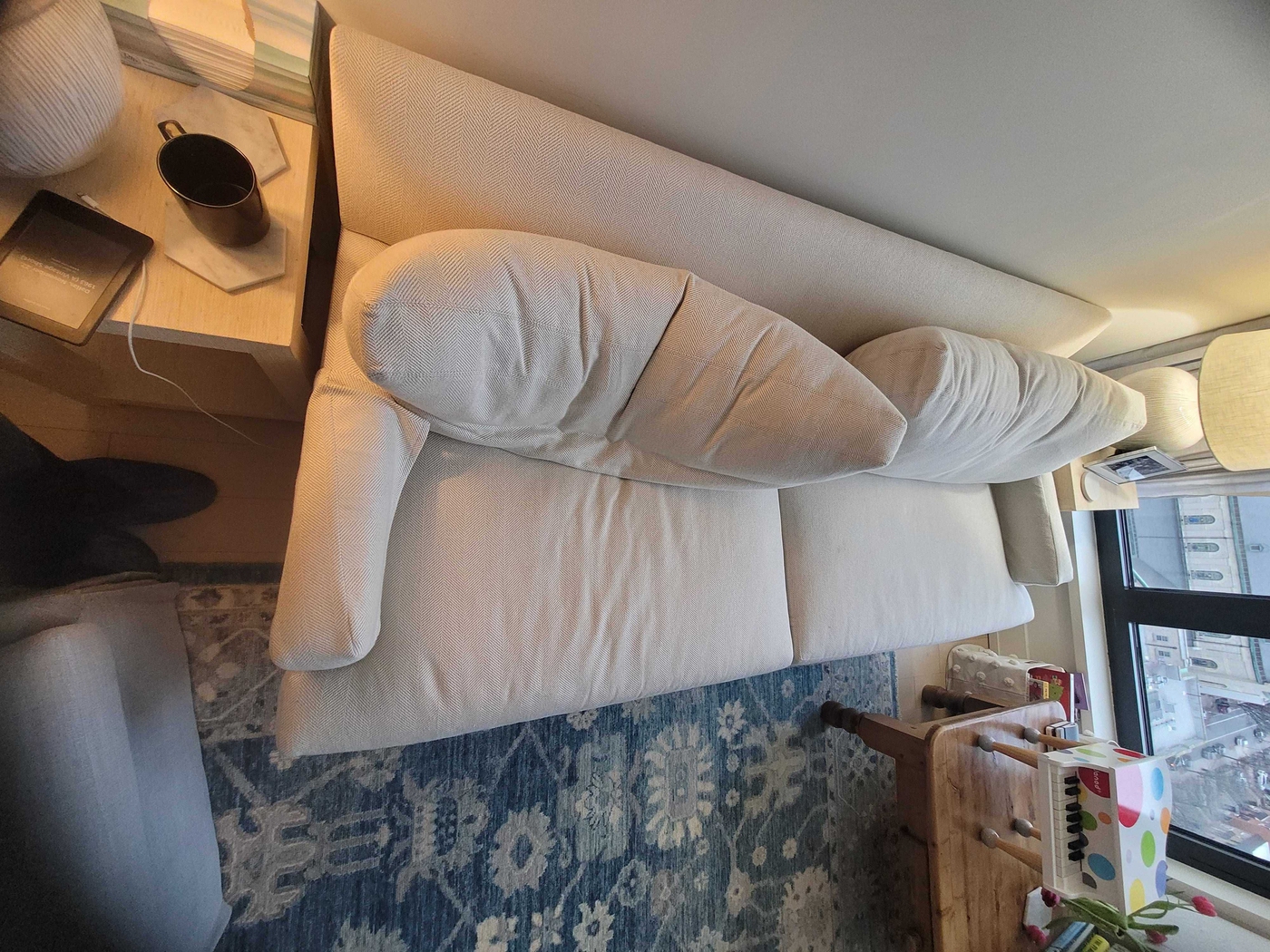
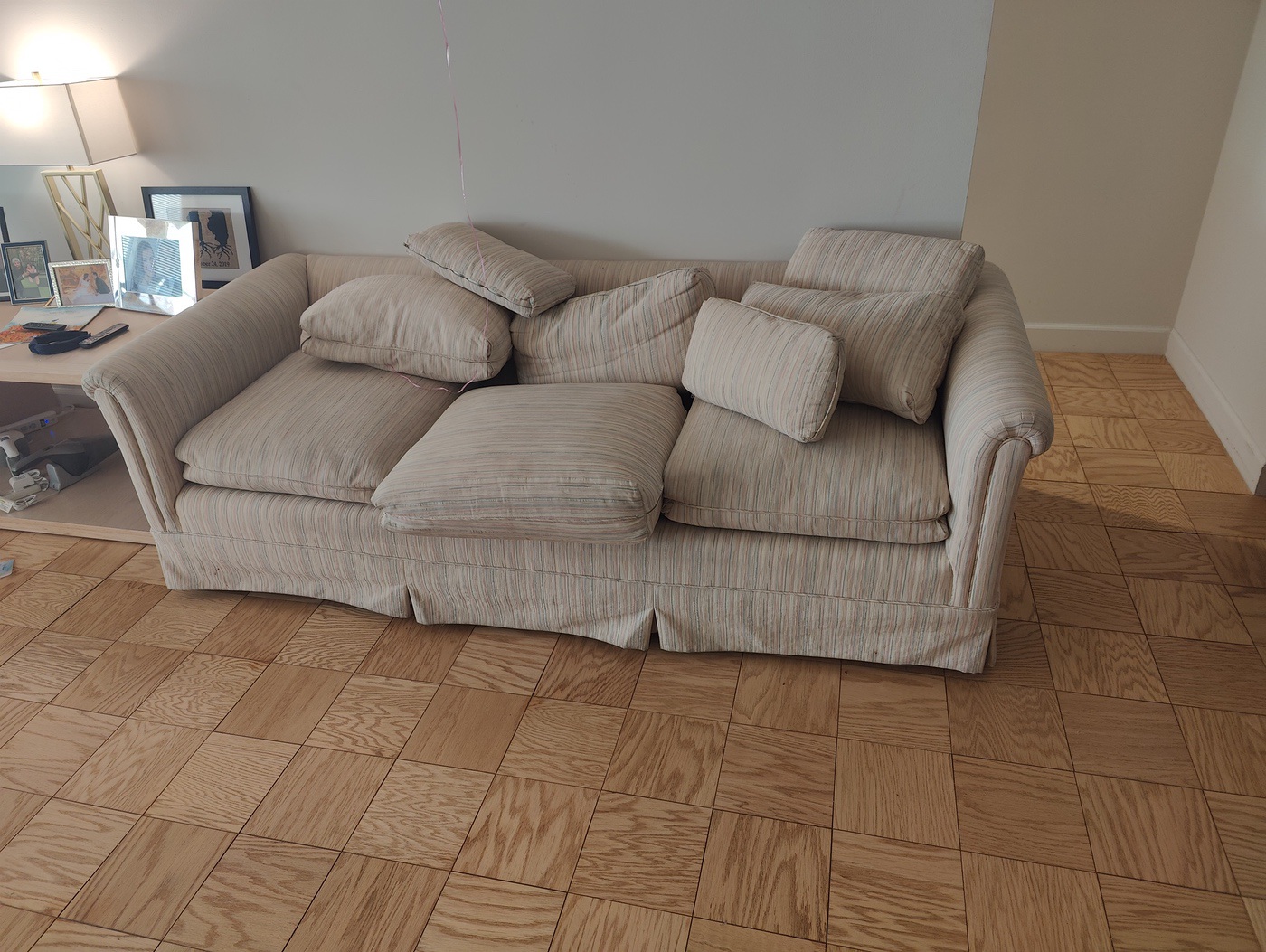
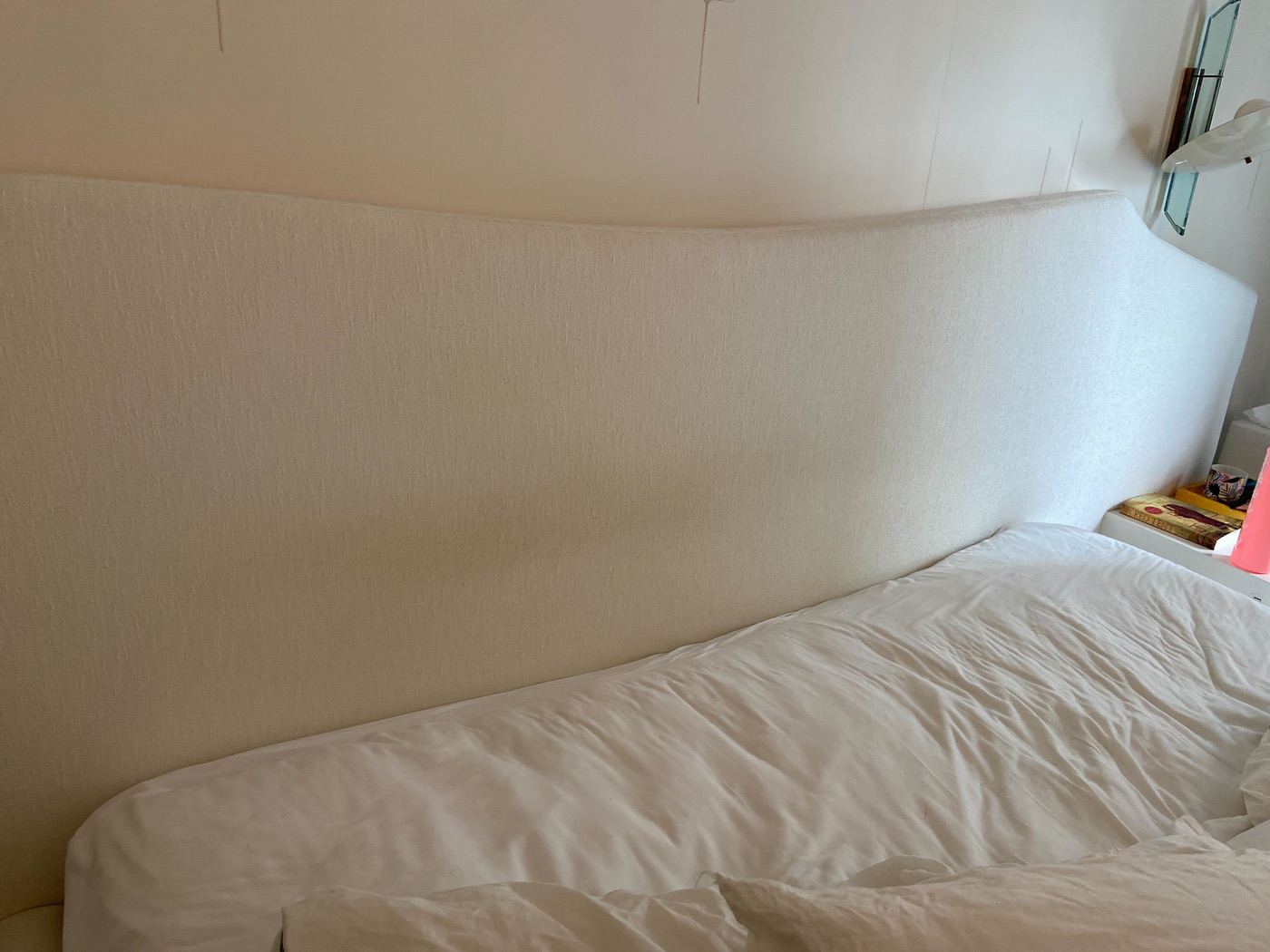
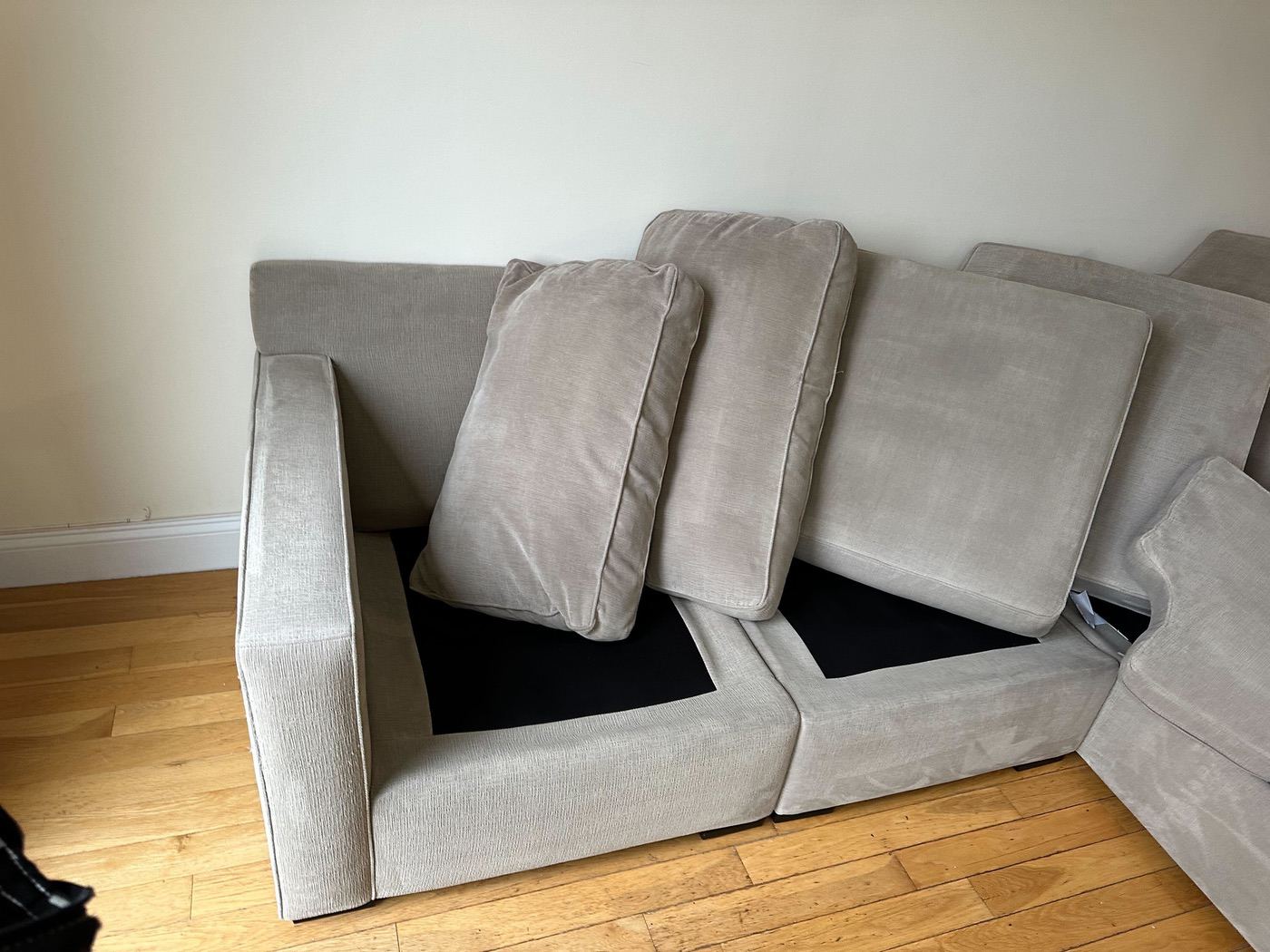
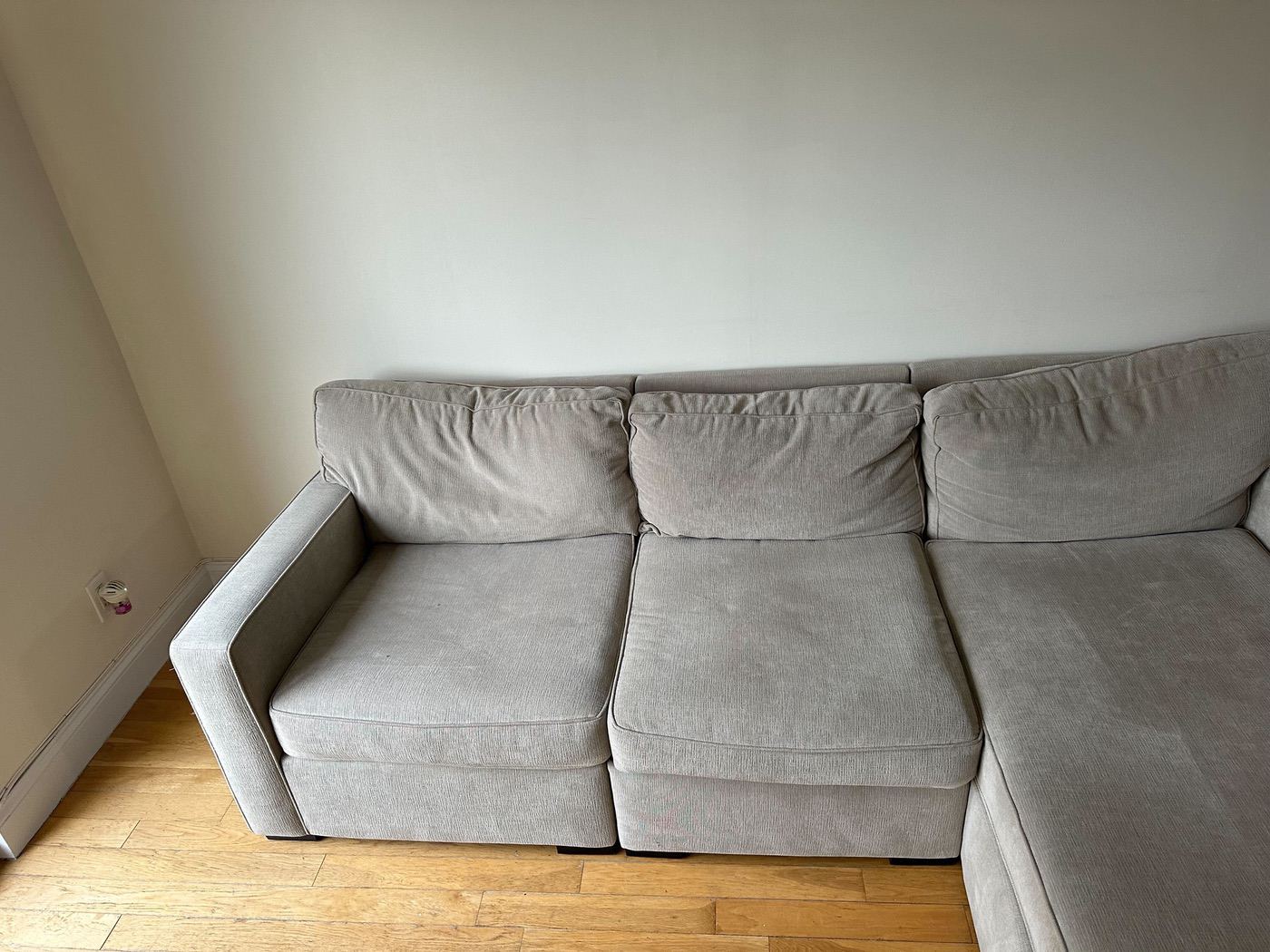
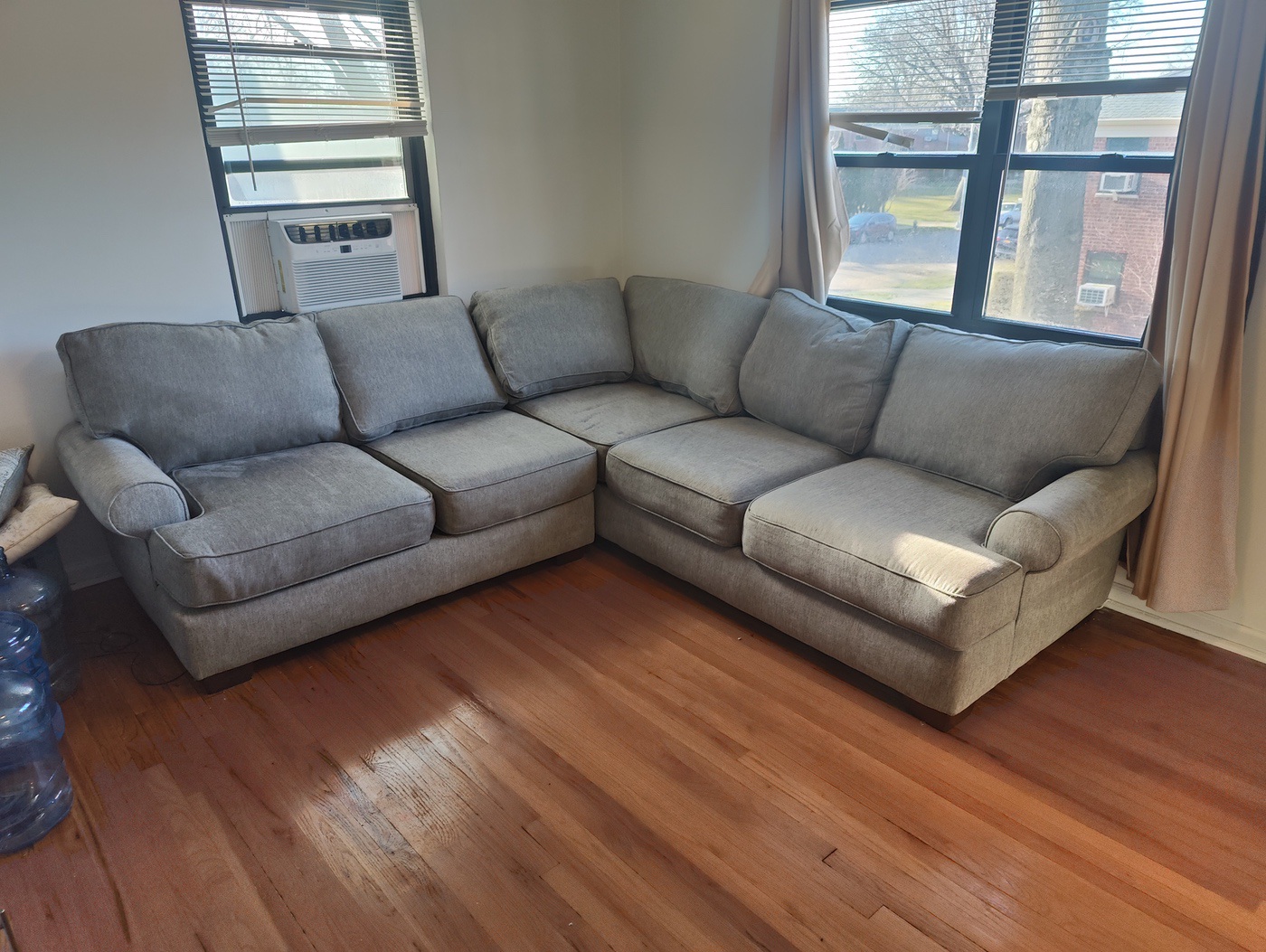
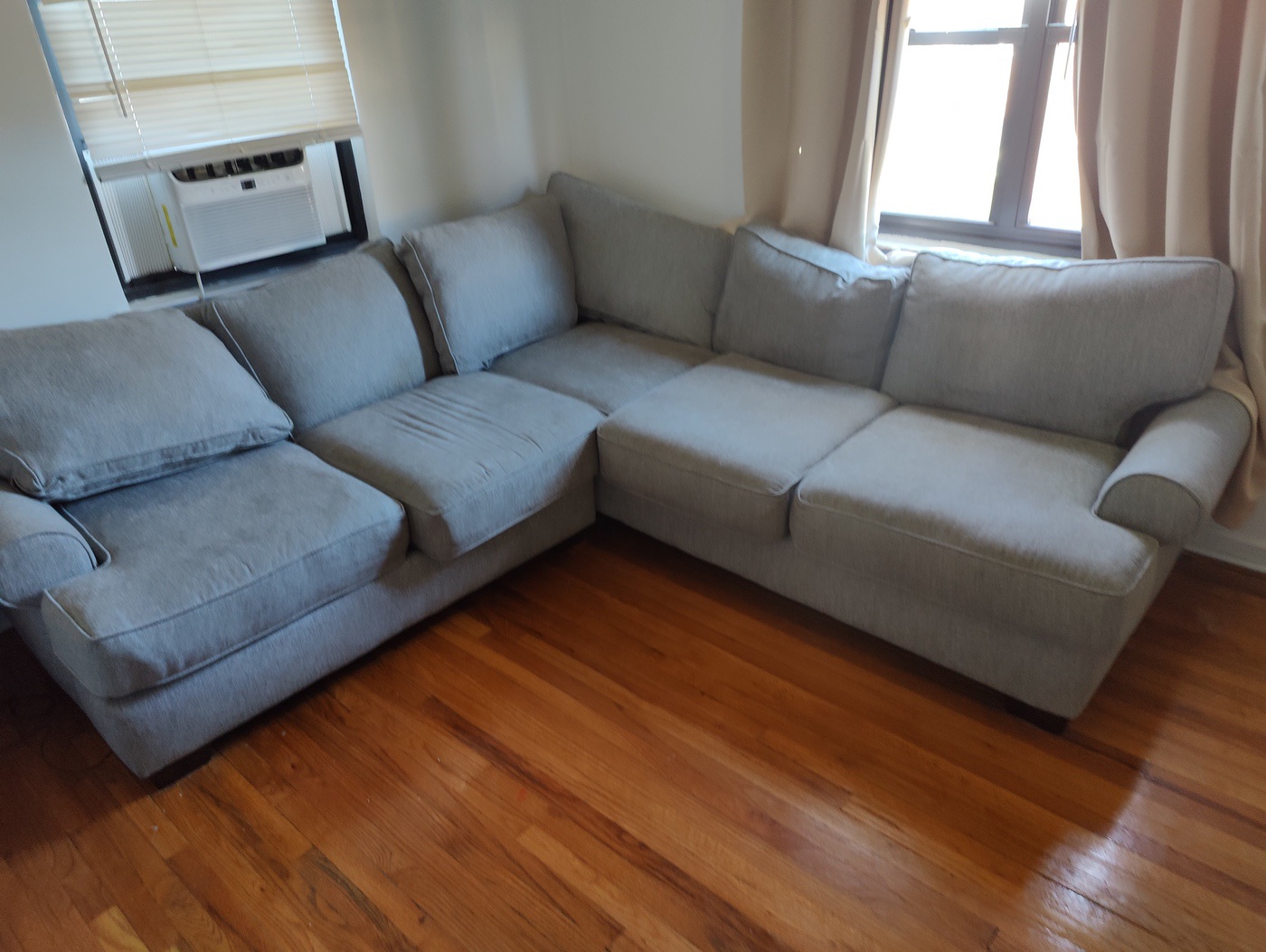
- High-traffic soiling: Discolored arms, cushions, or seats where fibers look abraded or flattened.
- More than a year since a professional clean: Especially important for homes with pets or children.
Use this checklist to decide what to tackle first; the sections below explain how to assess each sign in more detail, starting with stains.
How to spot stains and fabric discoloration on your couch
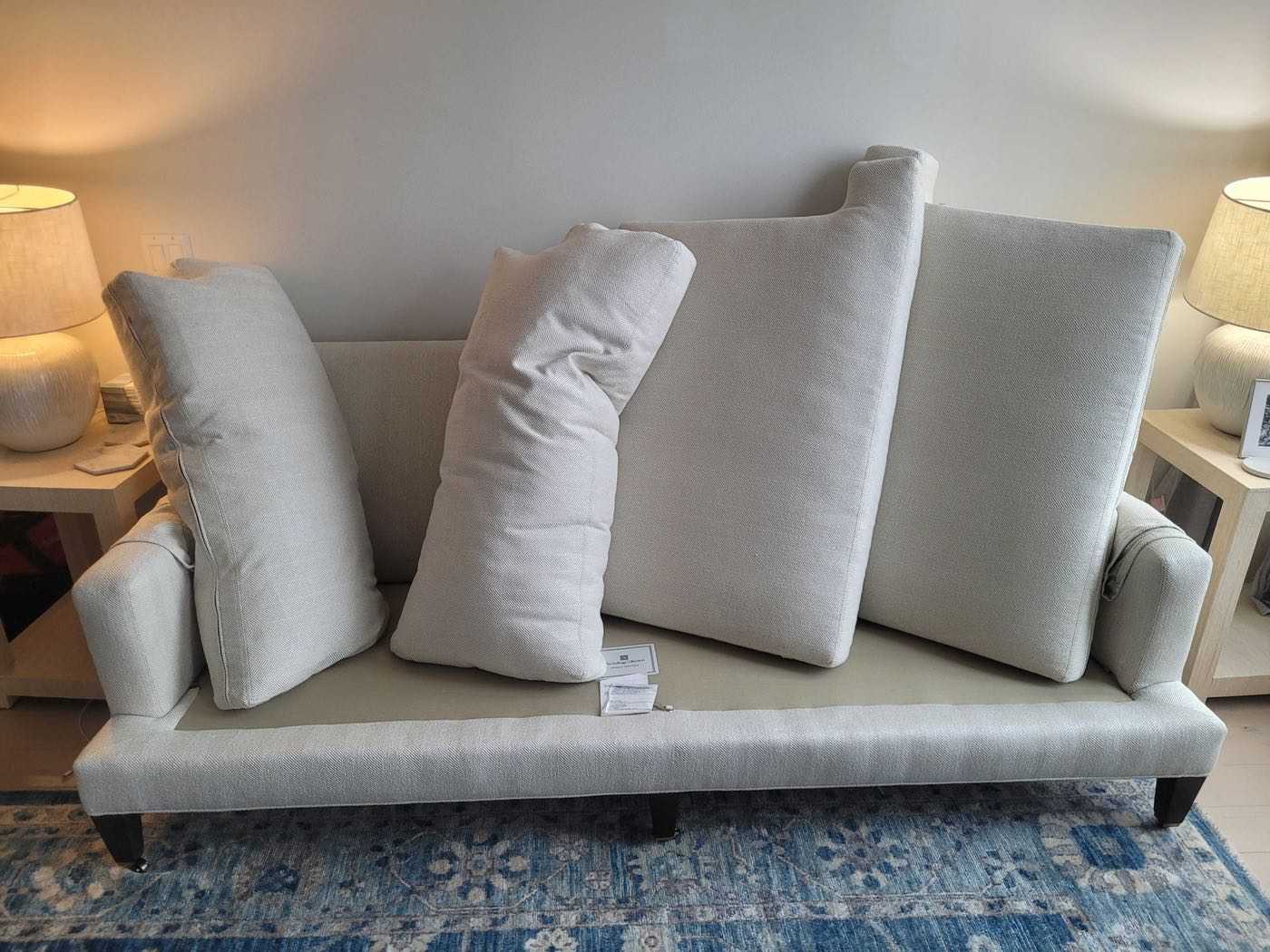
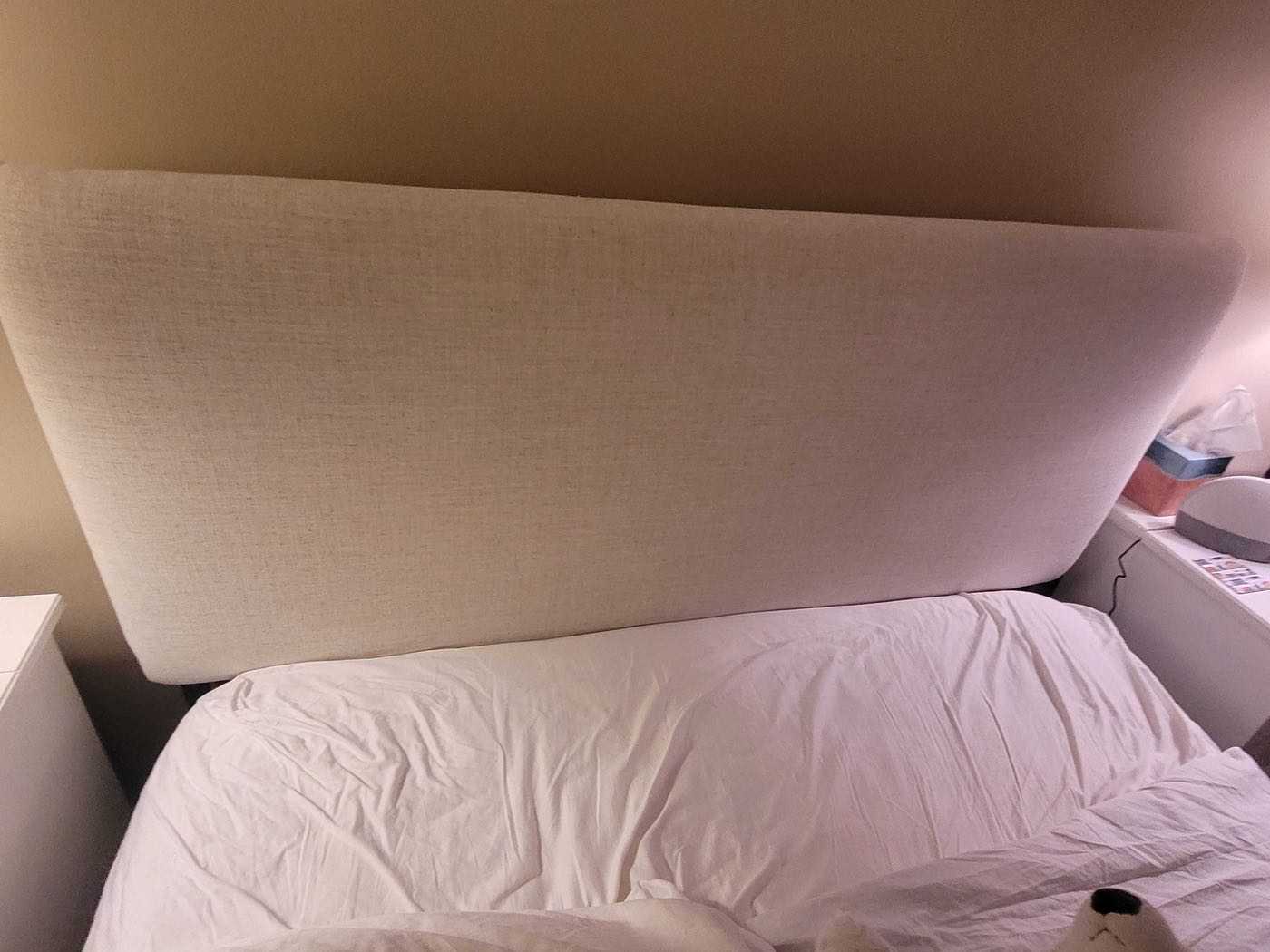
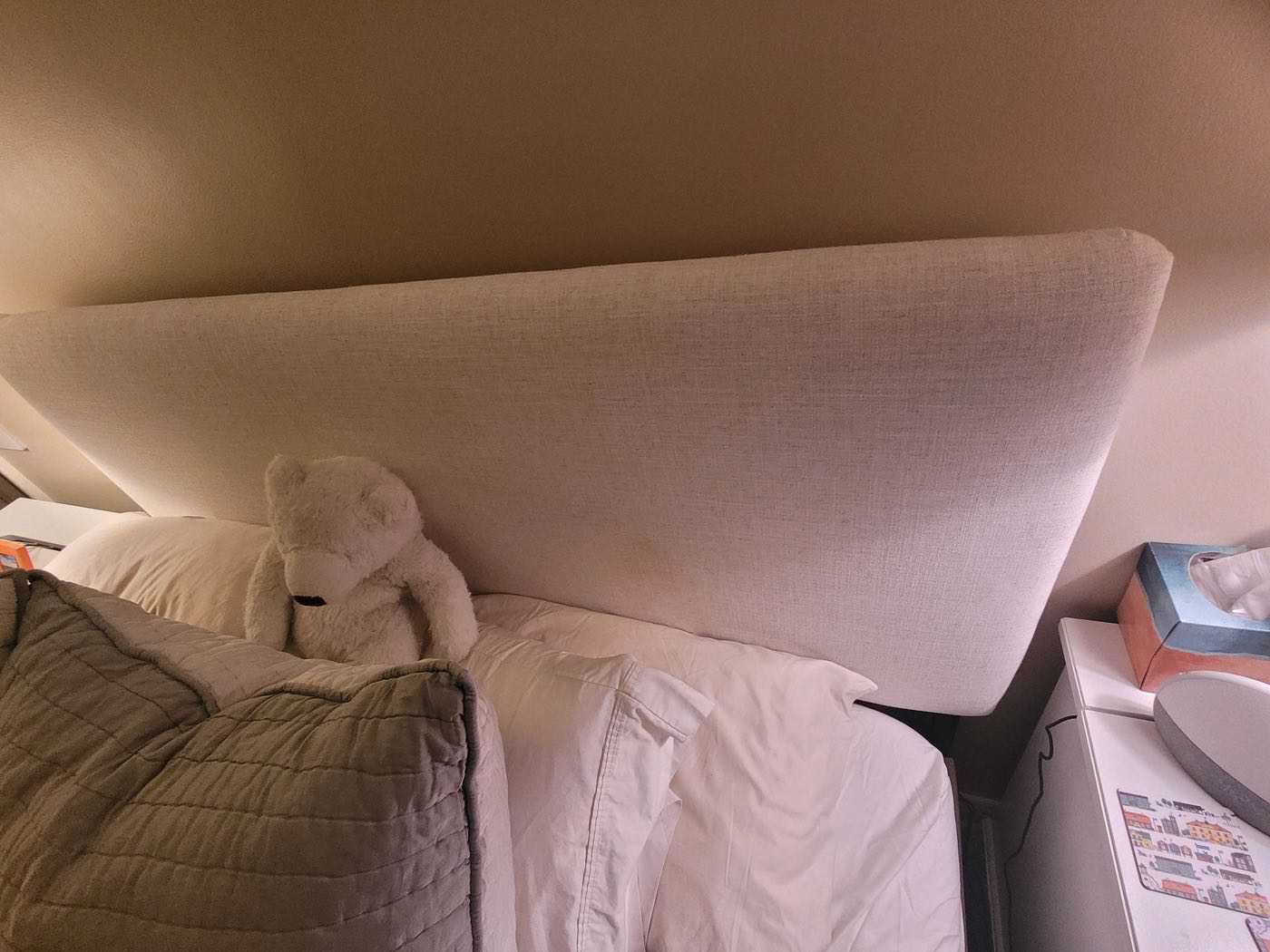
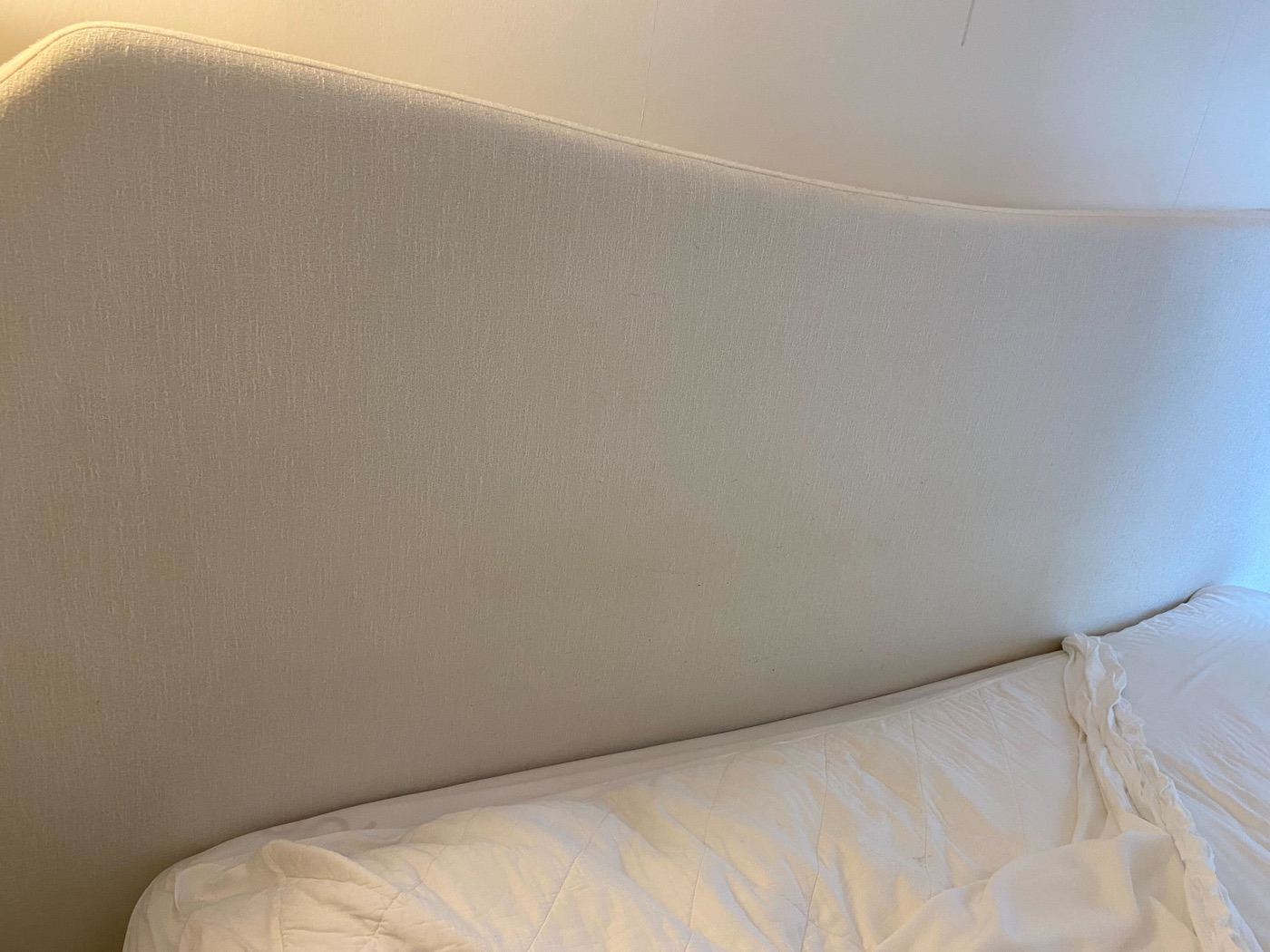
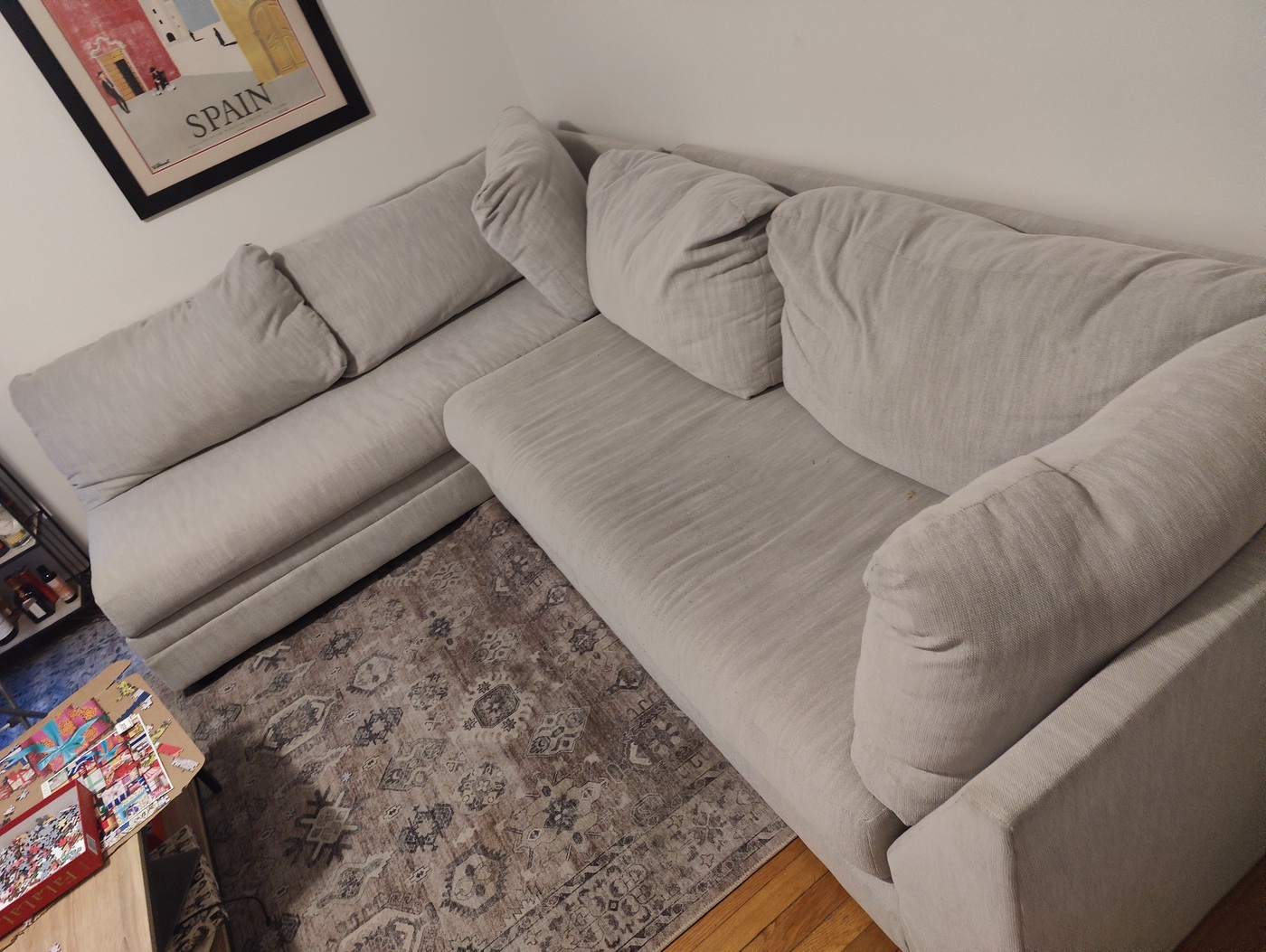
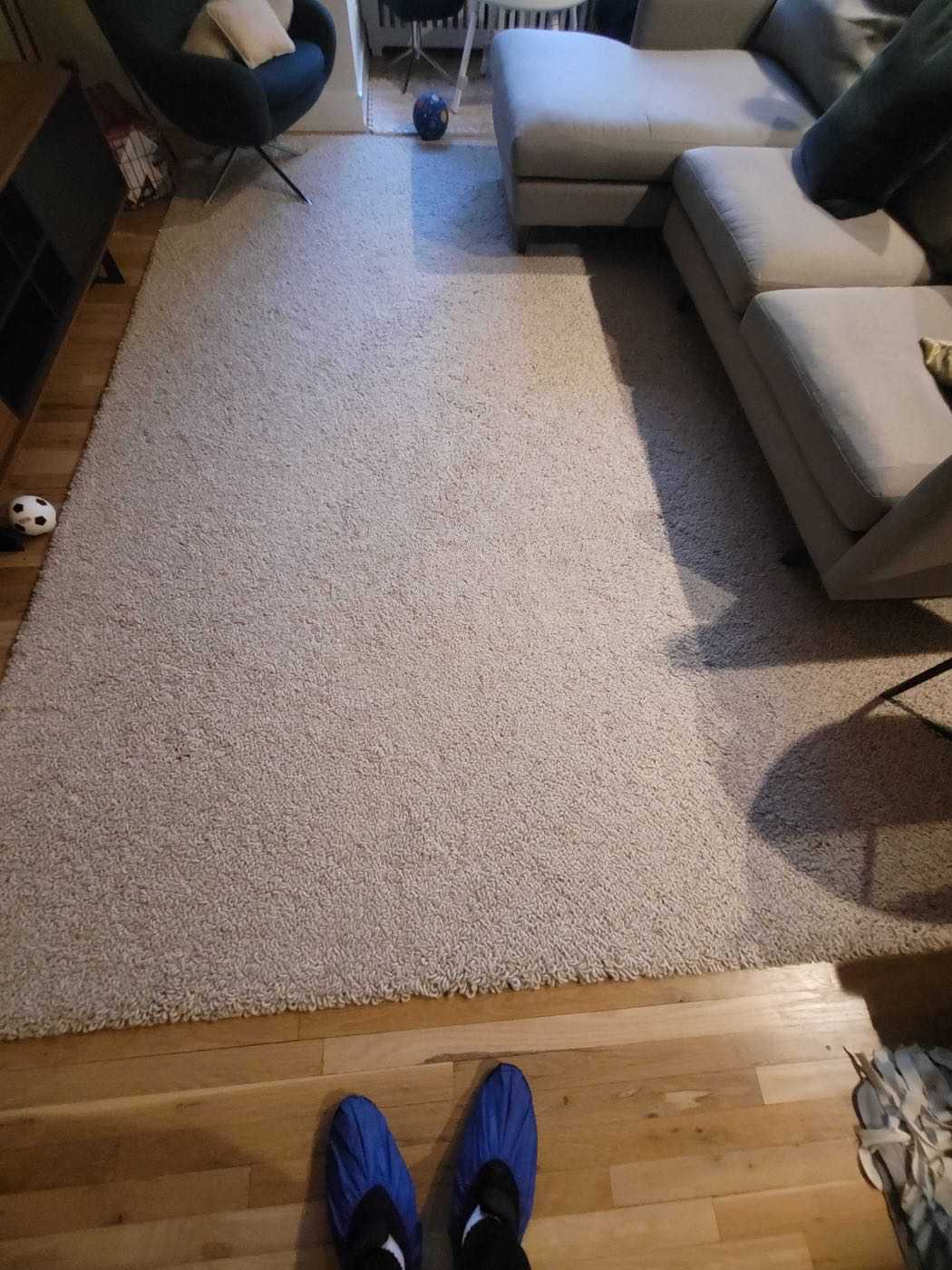
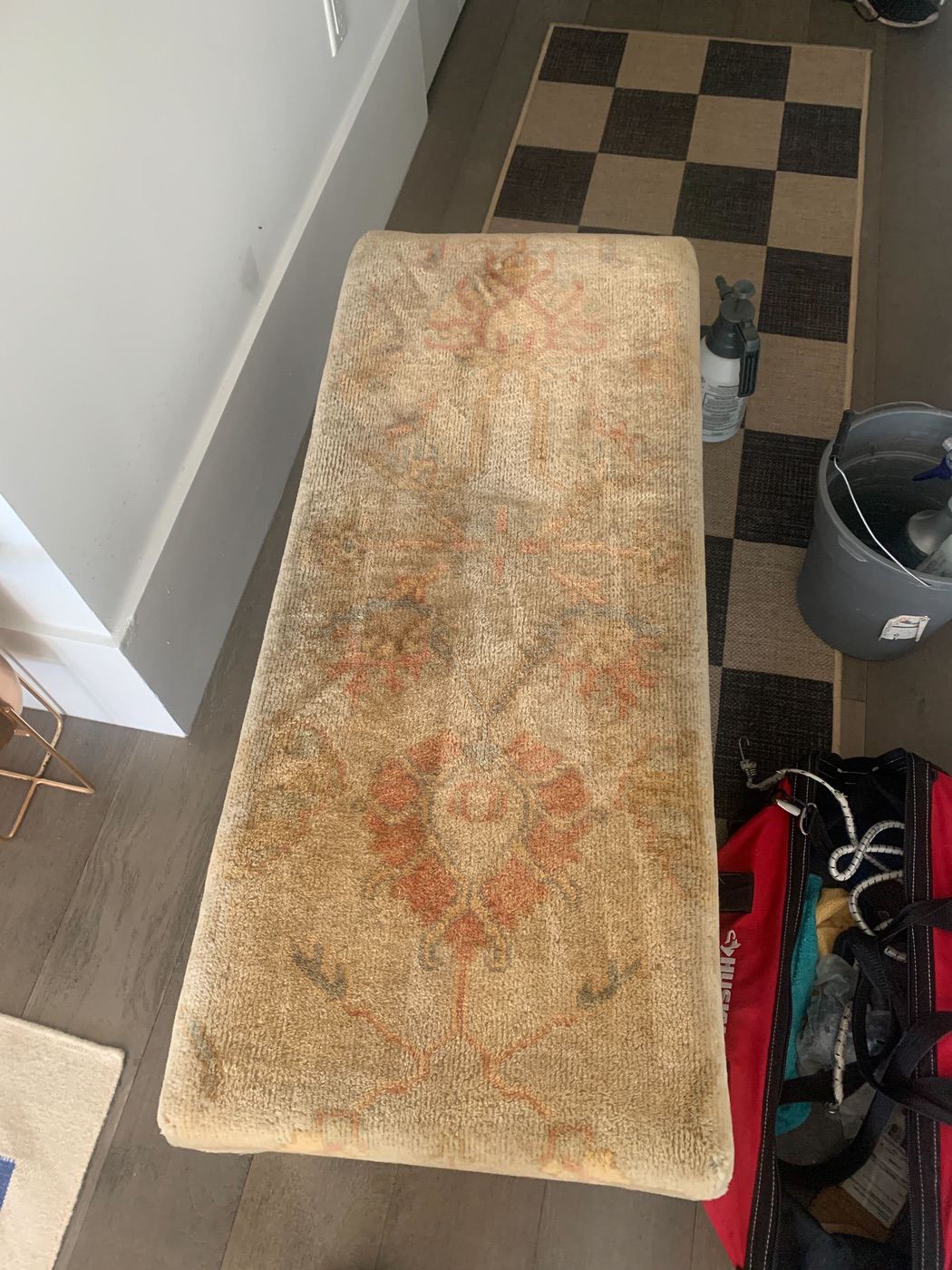
Stains differ — organic spills, oil marks, dye transfer, and sun fading all behave differently — but severity is judged the same way: size, depth, and how long it’s been there. Fresh water-based spills usually respond to quick spot treatment. Oil and dye stains that have set, or that have migrated into backing or padding, often need professional solvents or extraction. Check seams, cushion edges, and undersides for hidden discoloration that points to deeper contamination. If a stain covers a wide area, reaches the padding, or spreads when you rub it, it’s time to call a pro.
Next, evaluate odors — they often indicate biological sources that need enzyme or oxidation treatments.
What lingering odors tell you about upholstery cleanliness
Persistent smells usually mean organic contamination — pet urine, body oils, food residues, or mildew — has soaked into padding or backing where surface cleaning can’t reach. If odors return after airing or light cleaning, bacteria or enzymatic breakdown is likely continuing inside the fabric or foam. These cases typically require enzymatic cleaners, deep extraction, or deodorizing oxidizers to neutralize the source. Mildew smells that last more than 24–48 hours after a spill suggest poor drying or hidden moisture, which raises mildew risk. When odors signal biological contamination, professional cleaning and proper drying are the right remedies to prevent recurrence and protect indoor air quality.
Odor diagnosis naturally leads to health signals like allergy problems, which should be addressed quickly.
Can worse allergies or respiratory issues point to upholstery problems?
If sneezing, congestion, or asthma symptoms get worse when people spend time near a sofa, embedded allergens could be the cause. Dust mites, pet dander, and pollen build up in cushions and under covers; vacuuming helps but hot-water extraction and filtration remove deeper reservoirs more effectively. If symptoms persist despite better ventilation and air filtration, professional upholstery cleaning often reduces how often and how severely those symptoms occur. When indoor-time correlates with new or worsening symptoms, add professional textile cleaning to your allergen-control plan.
This is especially relevant in busy urban living rooms, so next we cover how frequent use affects cleaning needs.
How does heavy use affect cleaning frequency?
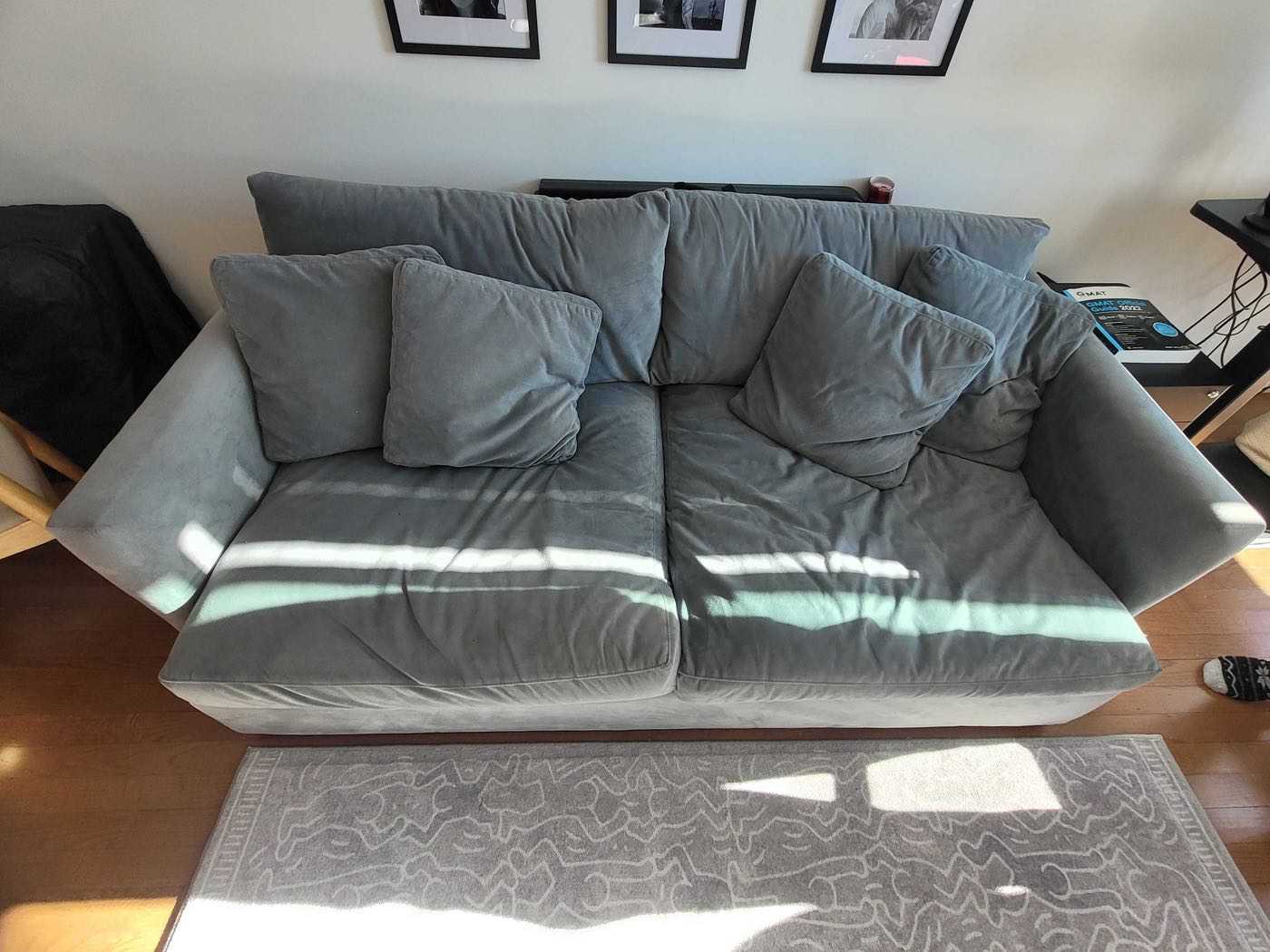
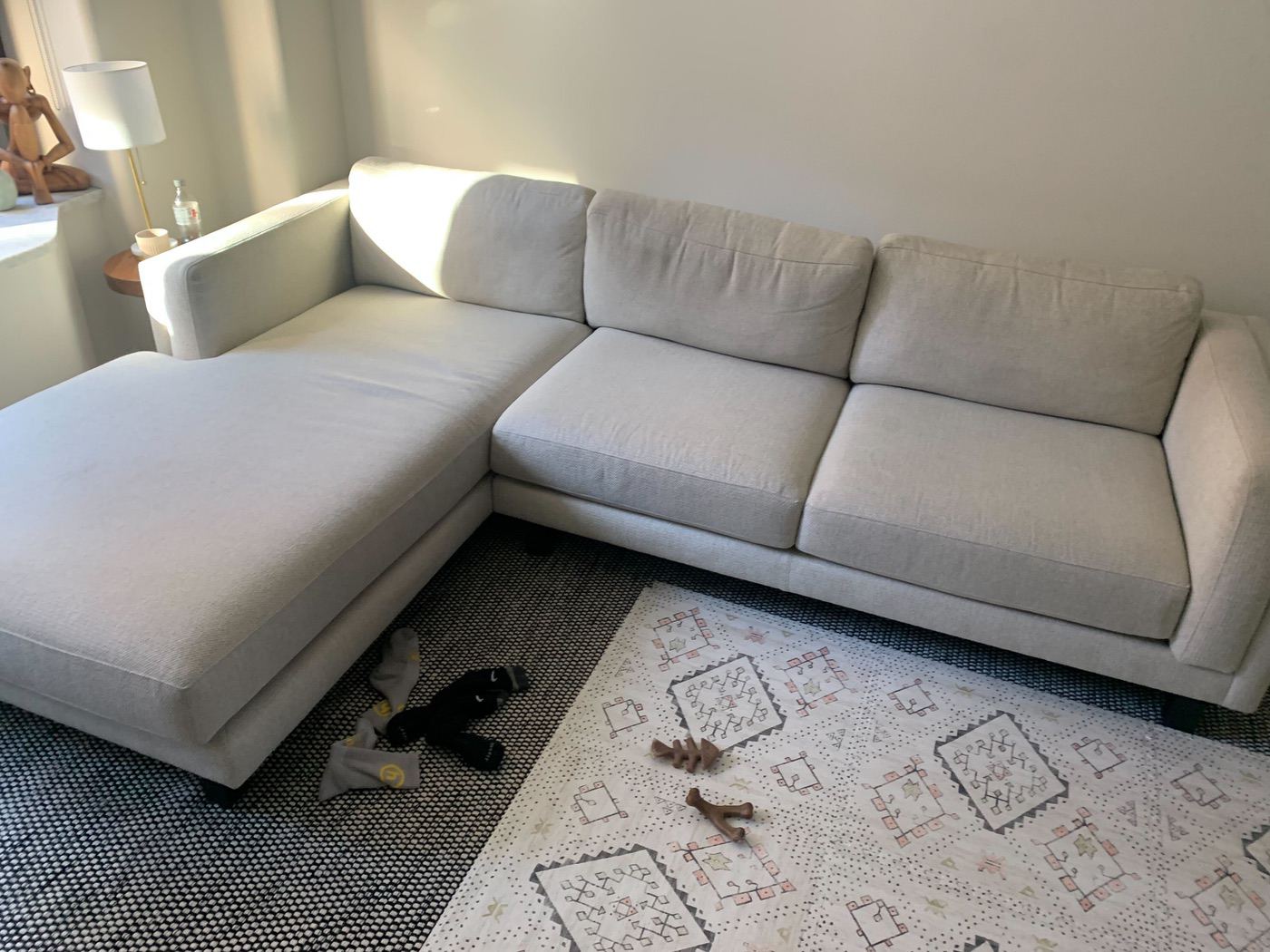
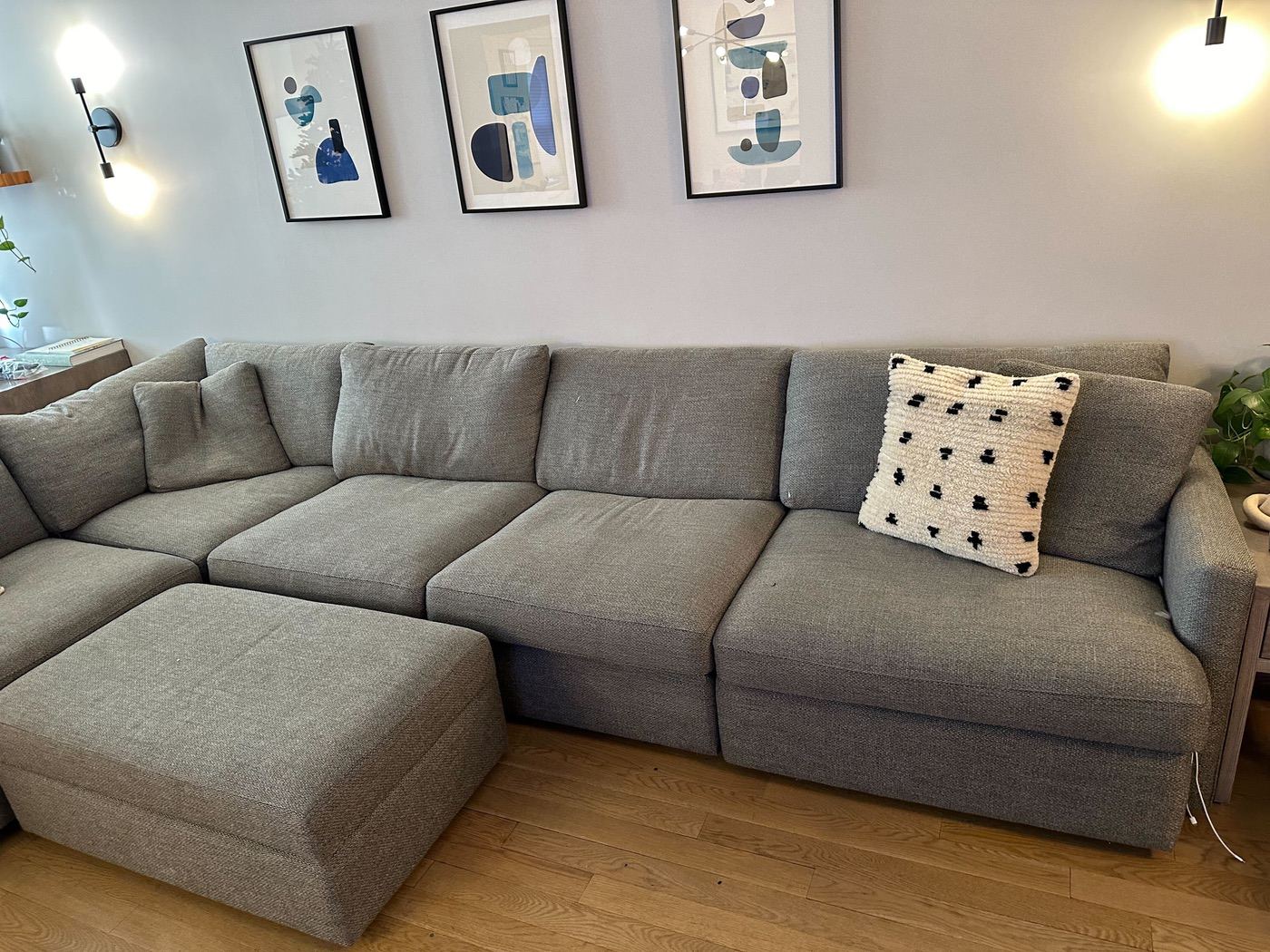
High-traffic pieces — family-room sofas, sectionals, and shared office seating — collect soils and oils much faster than occasional-use furniture, speeding up fiber wear and discoloration. Frequent use increases abrasion, traps more particulates, and concentrates body oils that attract dirt, so you’ll need pro service sooner. For heavily used pieces, a six-month interval is common; lightly used, formal seating can often wait a year. Identifying your high-traffic pieces helps you budget and schedule preventive maintenance before wear becomes permanent.
If it’s been over a year since the last professional clean, the next section explains the risks and next steps.
Why you should clean upholstery if it’s been over a year
Waiting more than a year between professional cleanings allows soils to compact, grime to build, and biological residues to accumulate — all of which reduce fabric resilience and trap odors. Many manufacturers recommend periodic professional maintenance to keep warranties valid and materials performing. If it’s been a year or longer, schedule an inspection so a technician can assess fabric condition and recommend extraction and deodorization rather than relying on spot fixes. Acting now prevents faster deterioration and restores both air quality and appearance.
Every professional job starts with a focused inspection — here’s how Today’s Steam Cleaning NYC approaches it.
How Today’s Steam Cleaning NYC handles professional upholstery cleaning
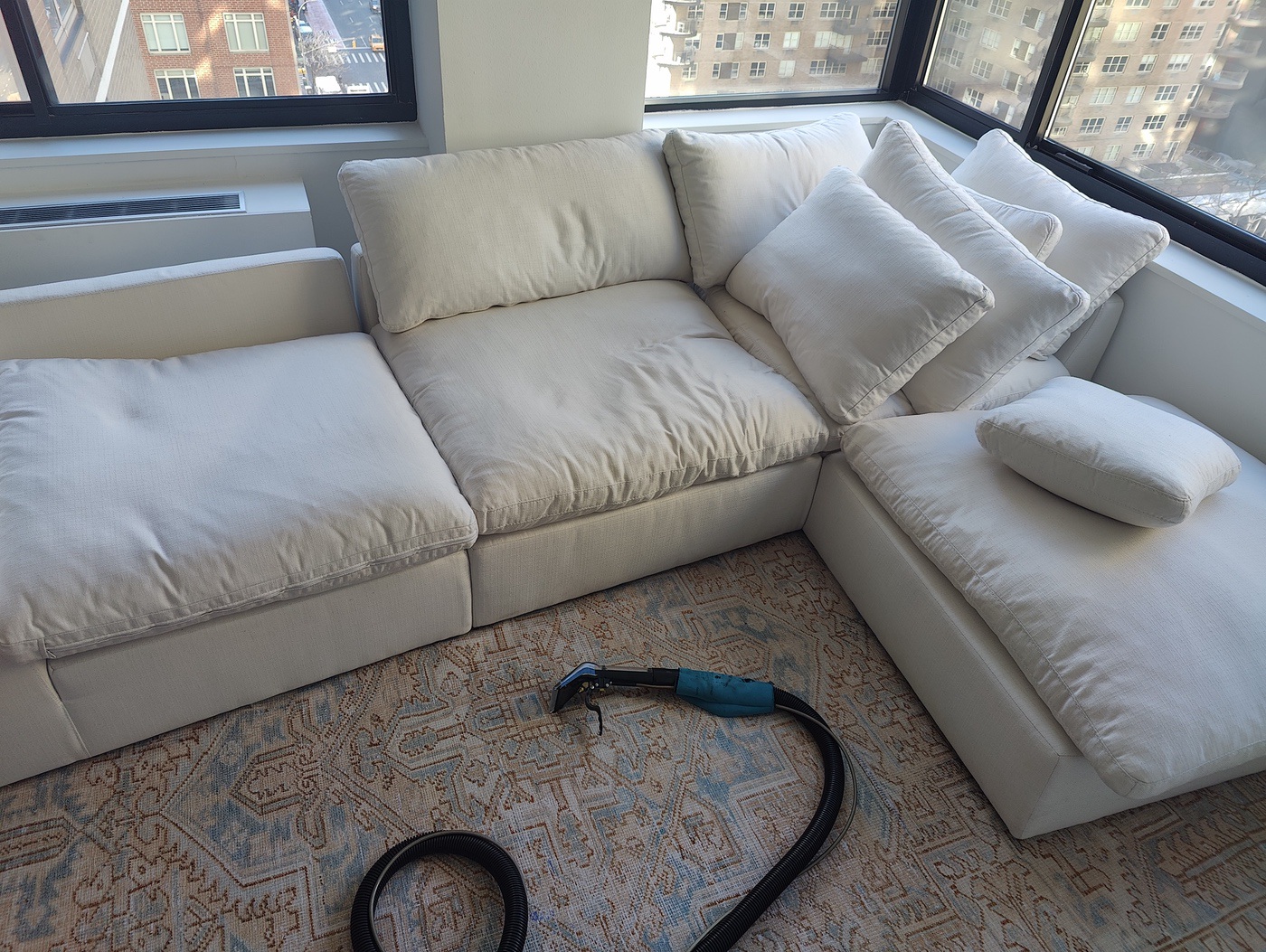
Below we outline a transparent, step-by-step cleaning process used by local NYC pros: inspection, fabric analysis, eco-friendly methods, stain and odor treatment, and fast drying. A service typically starts with an on-site assessment to identify fabric type and condition, then proceeds through targeted phases that prioritize safety and effectiveness. Explaining each step helps customers understand what to expect, why technicians choose certain methods, and how eco-friendly products and express drying improve outcomes. The table that follows summarizes the core steps, then we dive into inspection, green techniques, stain work, and drying benefits.
The process table shows the technique and its purpose so you can see how each step delivers real results.
| Step | Technique | Purpose / Benefit |
|---|---|---|
| Initial inspection | Fabric ID, stain mapping, manufacturer label check | Chooses safe cleaning options and flags off-site or specialized work |
| Fabric testing | Small-area spot tests | Confirms method compatibility and prevents damage |
| Deep extraction | Steam/hot-water extraction with low-residue agents | Removes embedded soils, allergens, and biological contaminants |
| Stain & odor treatment | Enzymatic cleaners and targeted oxidizers | Neutralizes organic stains and lingering odors |
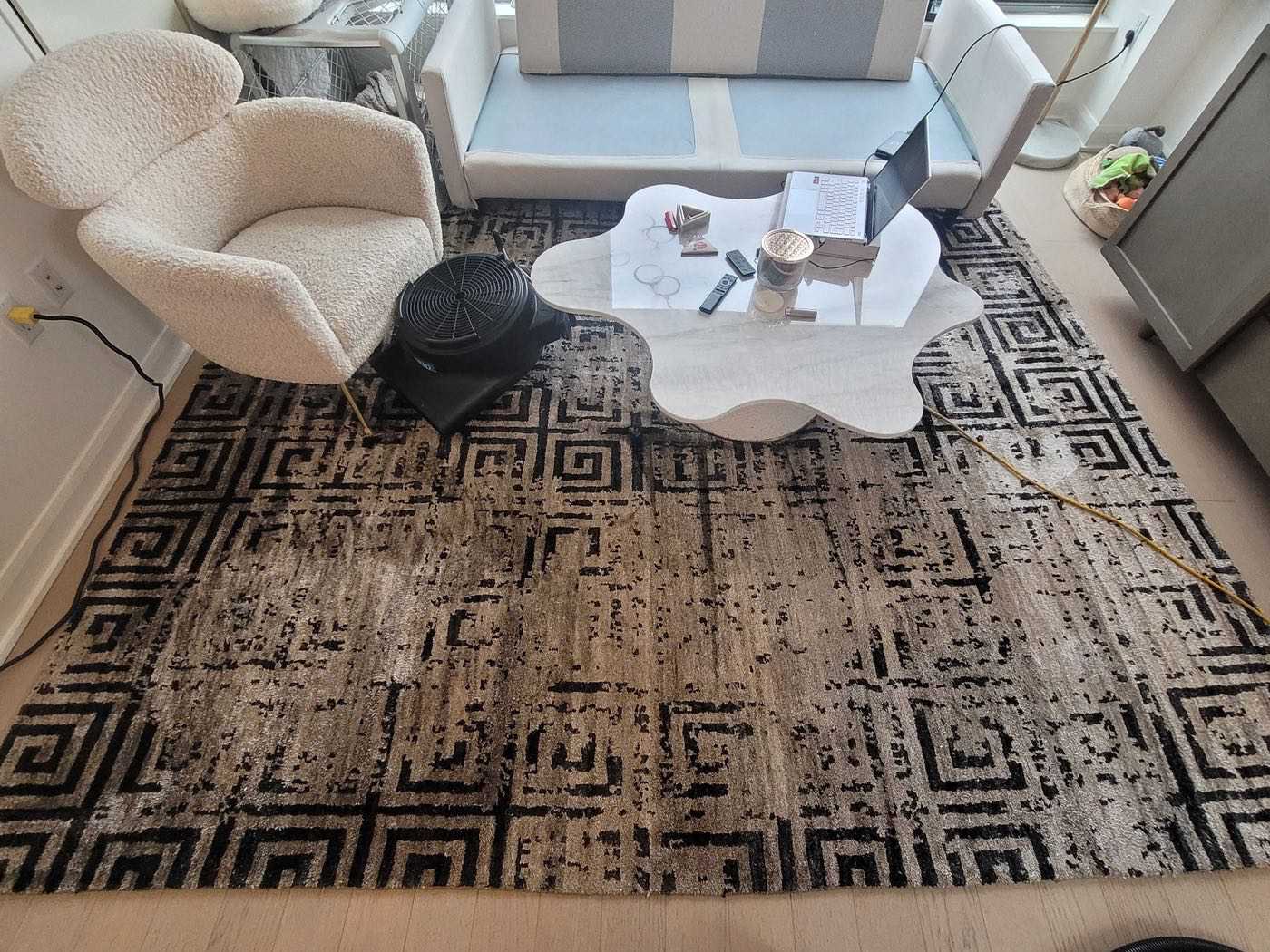
| Express drying | Air movers and low-humidity drying strategies | Minimizes mildew risk and gets furniture back into use fast |
These sequential, evidence-based steps reduce risk while maximizing cleanliness. Next is a closer look at the initial inspection phase.
What happens during the initial inspection and fabric analysis?
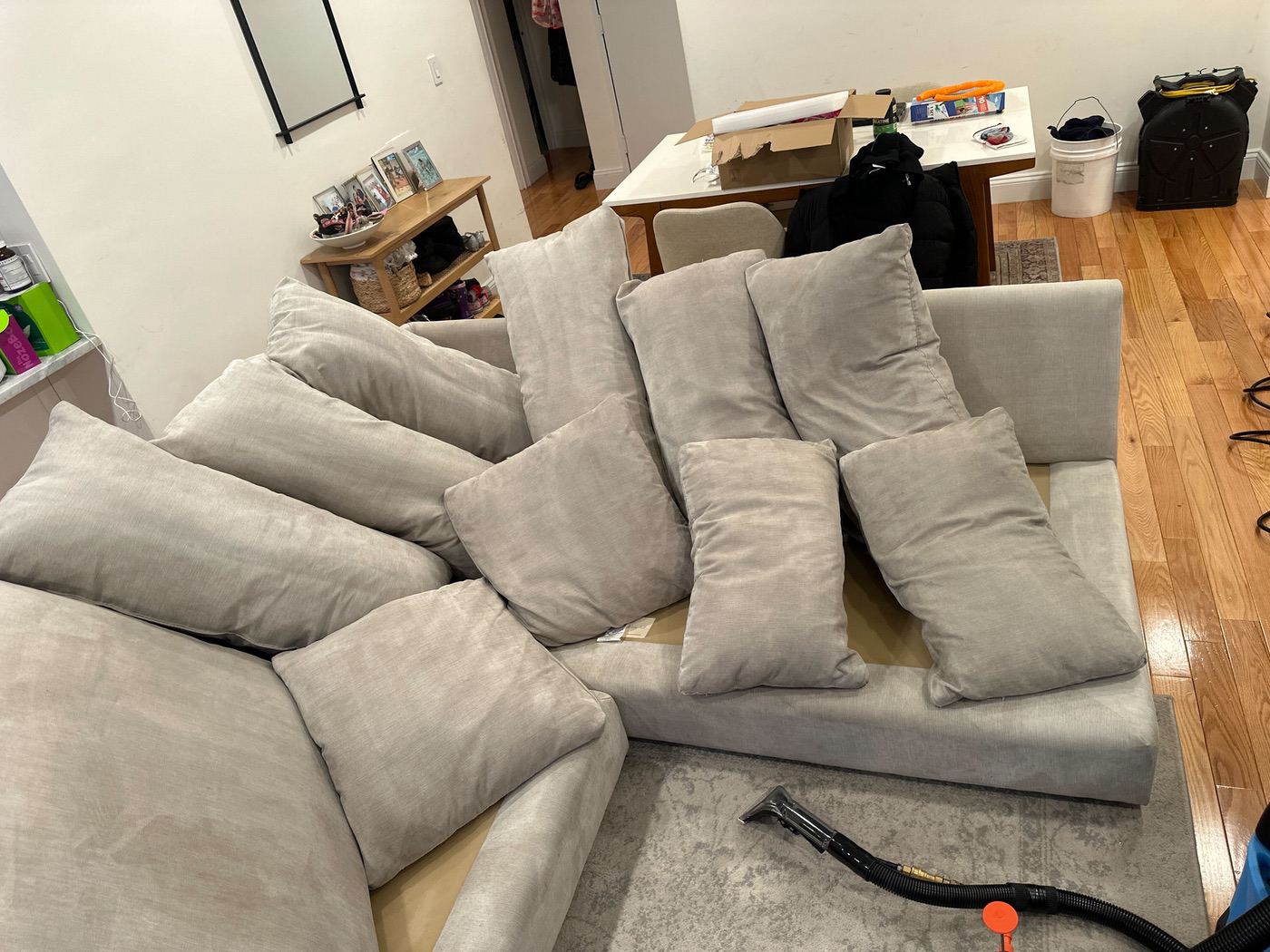
Technicians identify fabric construction, cleaning codes, wear areas, and visible or hidden stains so they can choose safe, effective methods. They check manufacturer tags and test an inconspicuous spot to confirm colorfastness and solvent tolerance, which determines whether steam extraction, low-moisture cleaning, or specialized solvent work is best. Cushion construction and backing are evaluated to see if padding needs extraction or if the piece should go off-site. This diagnostic step prevents misapplied cleaners and sets realistic expectations for stain removal.
A careful inspection leads naturally to selecting eco-friendly methods that protect families while delivering a deep clean.
Which eco-friendly and non-toxic techniques do we use?
We prioritize low-residue, biodegradable cleaning agents combined with mechanical extraction and controlled heat when appropriate. Low-residue detergents lift oils and hold soils in suspension for removal, while steam and hot-water extraction reduce the need for harsh solvents. These methods limit chemical exposure for children and pets and cut the risk of re-soiling from leftover surfactants. When paired with proper extraction, non-toxic products deliver deep cleaning without sacrificing safety — a balanced approach for occupied NYC homes.
Safer chemistries work hand-in-hand with targeted stain and odor treatments for biological sources.
How are stains and odors treated with specialized products?
Technicians classify stains — organic (food, urine), oil-based (grease, cosmetics), or dye transfer — then apply matched treatments: enzymes for organic residue, emulsifiers for oils, and controlled oxidizers for safe deodorization. Pros set realistic expectations: some set-in dye or ink stains may not disappear completely, but targeted work typically reduces contrast and improves overall appearance. For urine or other bio-based odors, enzymatic neutralizers break down odor-causing compounds and extraction removes residues and odor molecules. Clear communication keeps customers informed about expected results.
Limiting treatment time and moisture is critical, which makes quick drying a vital final step — especially for city clients.
Benefits of quick drying and post-cleaning care
Fast drying shortens the window for microbial regrowth, lowers mildew risk, and lets you use furniture sooner — a big plus in compact NYC apartments. Express drying uses air movers and smart airflow to pull moisture from cushions and layers; it’s often offered as added value with couch cleaning. Post-cleaning care — vacuuming between professional visits, prompt spot treatment, and following manufacturer recommendations — preserves results and extends the time between deep cleans. With quicker drying and clear aftercare tips, customers get health benefits plus faster return to normal life.
Below is a compact table contrasting process phases with the customer advantages they deliver for busy NYC households.
| Process Phase | Technique | Customer Advantage |
|---|---|---|
| Inspection | On-site fabric analysis | Safe, tailored method selection |
| Cleaning | Eco-friendly extraction | Effective allergen and soil removal |
| Drying | Express drying with air movers | Less downtime and lower mildew risk |
| Aftercare | Maintenance tips | Longer-lasting results and fewer replacements |
Benefits of professional upholstery cleaning for NYC residents
Professional upholstery cleaning improves indoor air quality, restores comfort and appearance, and saves money over time by extending furniture life. In crowded homes and apartments, removing embedded allergens and biological contaminants can noticeably reduce triggers and create a healthier living space. Restorative cleaning revives color and texture so furniture looks and feels newer without replacement. Over time, maintenance-focused cleaning delays costly replacements and preserves material integrity and resale value.
These household-level benefits link to health improvements, aesthetic restoration, and economic sense — detailed in the following subsections.
How professional cleaning improves indoor air quality and health
Professional cleaning pulls dust mites, pet dander, pollen, and bacterial residues out of upholstery layers, reducing the reservoirs that release allergens during daily activity. Extracting these embedded particles lowers exposure for occupants with asthma or allergies. Reduced microbial loads also cut odor sources and the risk of opportunistic growth in damp conditions. Combining professional upholstery cleaning with ventilation and HEPA filtration produces a measurable improvement in indoor air quality for city homes.
Better air quality complements appearance restoration, which we cover next.
How deep cleaning restores appearance and comfort
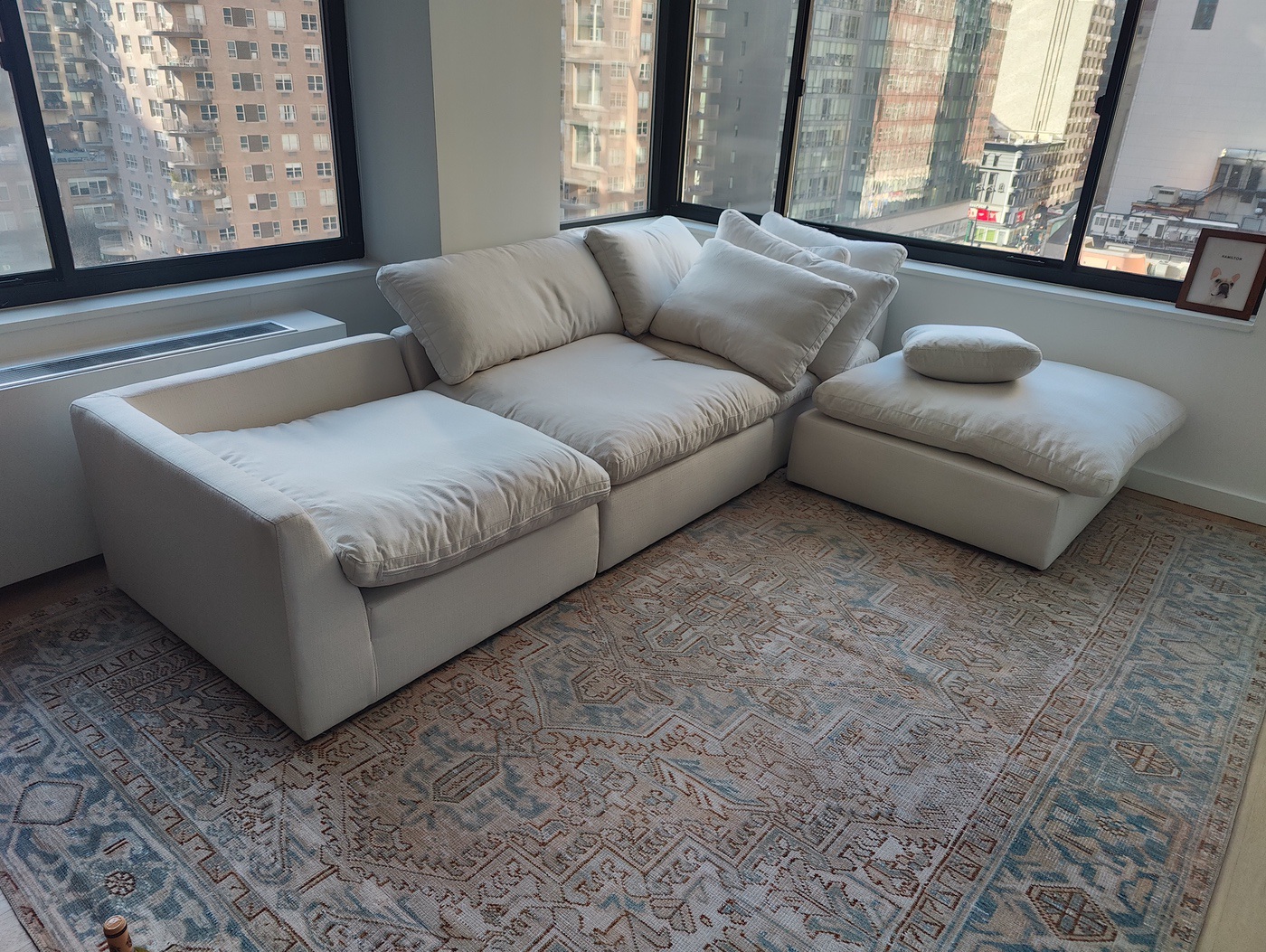
Deep cleaning removes oils, soils, and grime that flatten pile, dull dyes, and roughen texture, letting fabrics regain softness, color depth, and cushion resilience. Extracting residues that mat fibers makes seating look newer and feel more comfortable; careful restorative work can also realign padding and seams for better support. While some permanent damage (pilling, severe dye transfer) may not be fully reversible, most common appearance issues respond well to professional extraction and targeted treatments. Regular restorative cleaning keeps furniture inviting and preserves the feel that makes a sofa comfortable.
Preserving appearance and comfort also supports an economic case for regular maintenance, discussed next.
How regular cleaning saves money by extending furniture life
Routine professional maintenance prevents premature fiber failure and padding collapse by removing abrasive particles and oils that speed wear, which delays replacement and preserves resale or reuse value. Early stain and odor treatment typically costs less than repairs or buying new pieces, and the cumulative savings from scheduled cleaning add up over a furniture lifecycle. Maintaining fabric integrity and appearance stretches replacement cycles and delivers practical financial benefits for homeowners and renters. A proactive schedule based on household use is the most cost-effective protection for your upholstered investments.
Frequently Asked Questions
1. How often should I have my upholstery professionally cleaned?
It depends on your household. For homes with pets or children, plan every 3–6 months because soils and allergens build up faster. High-traffic sofas typically need cleaning every six months; lightly used furniture can usually wait a year. Regular professional cleaning improves appearance, prolongs fabric life, and helps maintain a healthier indoor environment.
2. What types of stains can professional cleaning remove?
Professionals can tackle many stains: organic spills from food and drinks, oil-based marks from cosmetics or grease, and dye transfer from clothing. Treatment is matched to the stain — enzymes for organic residues, emulsifiers for oils, and specialized removers for dyes. Some very old or set-in stains may not disappear completely, but pros usually reduce visibility and restore overall appearance.
3. Are eco-friendly cleaning products as effective as traditional ones?
Yes. Modern eco-friendly products are formulated to minimize residues while delivering strong cleaning power. When combined with professional techniques like hot-water extraction, they remove dirt, allergens, and stains effectively without compromising safety for children and pets.
4. What should I do to prepare for a professional upholstery cleaning?
Prepare by documenting visible stains and, if you can, noting fabric care tags. Clear the area around the furniture so technicians have easy access. Tell the provider about specific concerns or past spills so they can tailor the service to your needs.
5. How can I maintain upholstery between professional cleanings?
Vacuum regularly to remove surface dust and debris. Blot spills promptly with a clean cloth and use recommended spot treatments. Follow the manufacturer’s care instructions and consider fabric protectors to repel stains. Scheduling professional cleanings according to use keeps upholstery looking its best.
6. What are the signs my upholstery needs immediate cleaning?
Immediate cleaning is usually needed when you see large or set-in stains, persistent odors after airing, or clear wear in high-traffic areas. If household members have worsening allergy symptoms near the furniture, that’s another sign a professional cleaning may help.
7. How does professional cleaning improve indoor air quality?
Professional cleaning removes embedded allergens, dust mites, and bacteria from upholstery fibers, reducing the amount of respirable allergens released during use. Extracting these contaminants improves respiratory comfort — especially for people with allergies or asthma — and contributes to a healthier home environment.
Conclusion
Professional upholstery cleaning in NYC restores the look and comfort of your furniture while improving indoor air quality by removing allergens and contaminants. Investing in expert cleaning extends upholstery life and can save you money on replacements. Spotting the signs that your furniture needs attention helps protect your home’s health and comfort. To experience the benefits, contact Today’s Steam Cleaning NYC and learn more about our services.